August 14, 2026
Understanding the process of well drilling is essential for homeowners, agribusinesses, and industries reliant on groundwater resources. Groundwater is an indispensable resource, accounting for 39 percent of all the water used by U.S. municipalities, according to the NGWA. This highlights the critical need to understand the intricacies of residential well drilling and the myriad considerations it encompasses. By examining site selection, equipment setup, and long-term sustainability practices, property owners gain a thorough grounding in this vital infrastructure process.
Modern well construction is a sophisticated blend of geology, engineering, and environmental stewardship. Before any physical equipment arrives on a property, extensive planning takes place to evaluate underground geological strata, local hydrology, and regional climate patterns. Successfully reaching a clean, sustainable water source requires precision at every step, starting from initial site analysis through to long-term monitoring. Whether building a new home or upgrading an existing utility, knowing how these systems operate ensures better decision-making and optimal resource management.
The journey from an untouched plot of land to a fully functioning water production system involves multiple distinct phases. Each stage presents unique challenges that require specialized equipment and technical expertise. By exploring how professionals navigate site selection, choose appropriate drilling methods, install protective casing, clear out residual debris, and maintain system health, property owners can appreciate the engineering required to bring reliable water directly to the surface.
Selecting and Preparing the Site
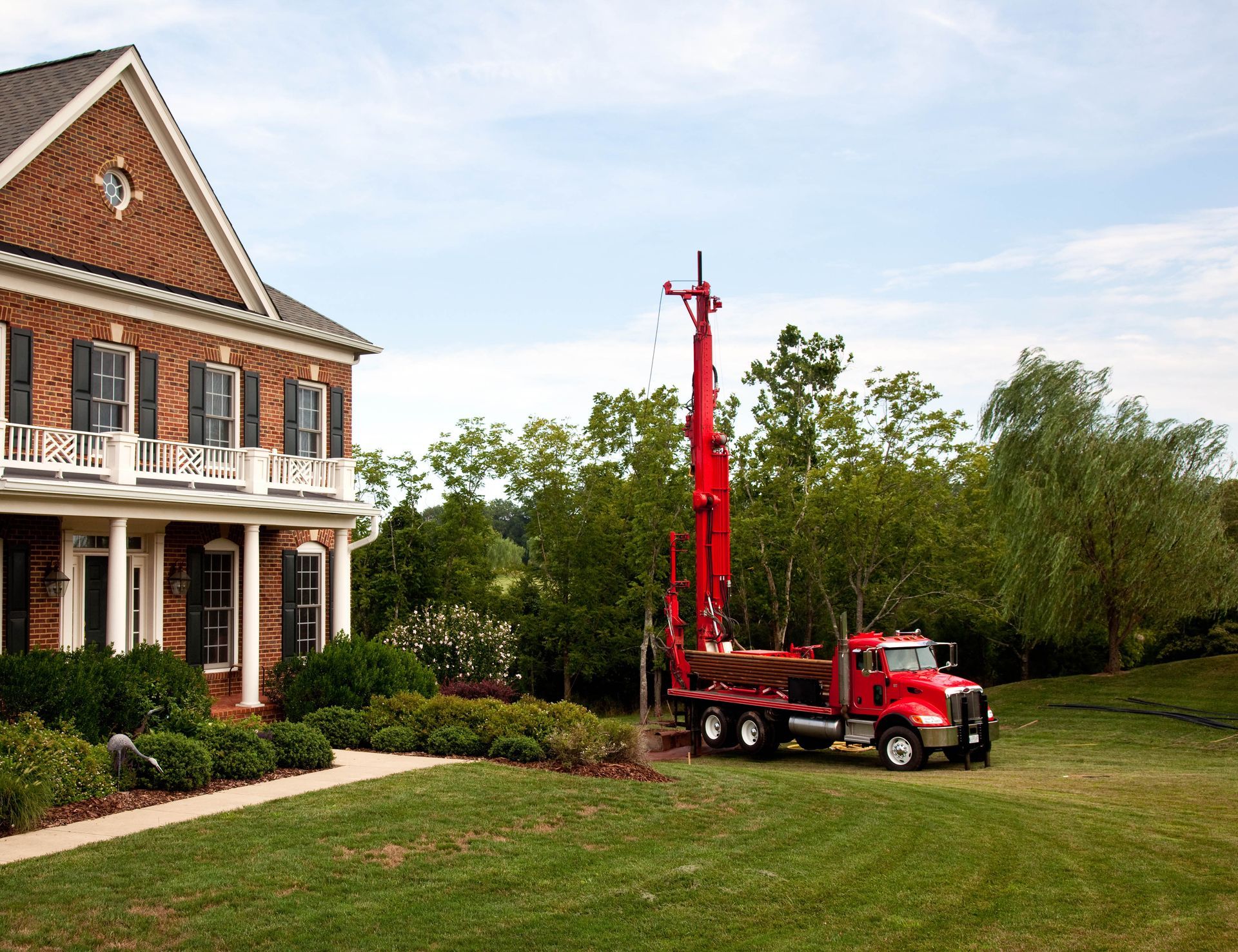
Choosing the optimal site for residential well drilling is a foundational step in the overall construction process. It involves detailed geological evaluations to ensure that subsurface characteristics support a productive, reliable well. Key factors include the location of underlying aquifers, soil permeability, and local water table depth. Identifying an optimal site maximizes the chances of reaching a clean, adequate water source while minimizing environmental disruption. Proper planning during this preliminary phase reduces financial risks and avoids the hassle of dry holes.
Geological surveys often employ a range of techniques and tools, such as historical well log analysis, seismic surveys, and preliminary soil sampling. These techniques provide detailed information about the subsurface rock formations and the proximity of viable water-bearing strata. The data gathered plays a significant role in assessing the viability of drilling at a particular location. It is essential to consider local climate conditions, as these can influence groundwater replenishment rates, which directly affect site selection. Meticulous site selection forms the cornerstone of a successful and sustainable supply.
Navigating the complex regulatory framework is equally critical before any actual excavation begins. Local municipalities and state environmental agencies require specific permits, drilling plans, and distance setbacks from existing infrastructure, property lines, or septic systems. Non-compliance leads to project delays, legal penalties, or complete revocation of drilling rights. Securing these permits early ensures that residential well drilling adheres to environmental protection laws, public safety guidelines, and regional water management strategies.
Selecting the Drilling Technique
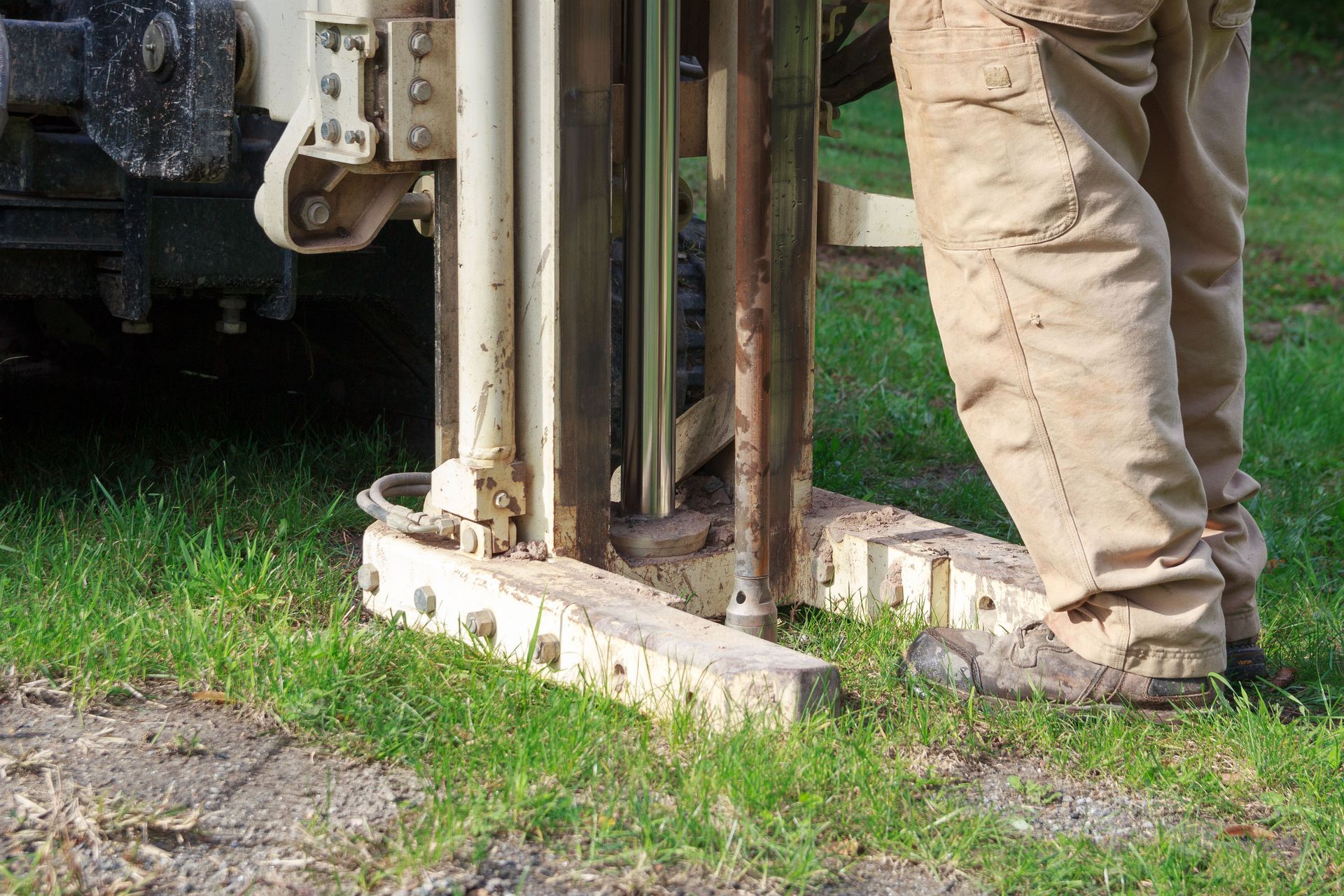
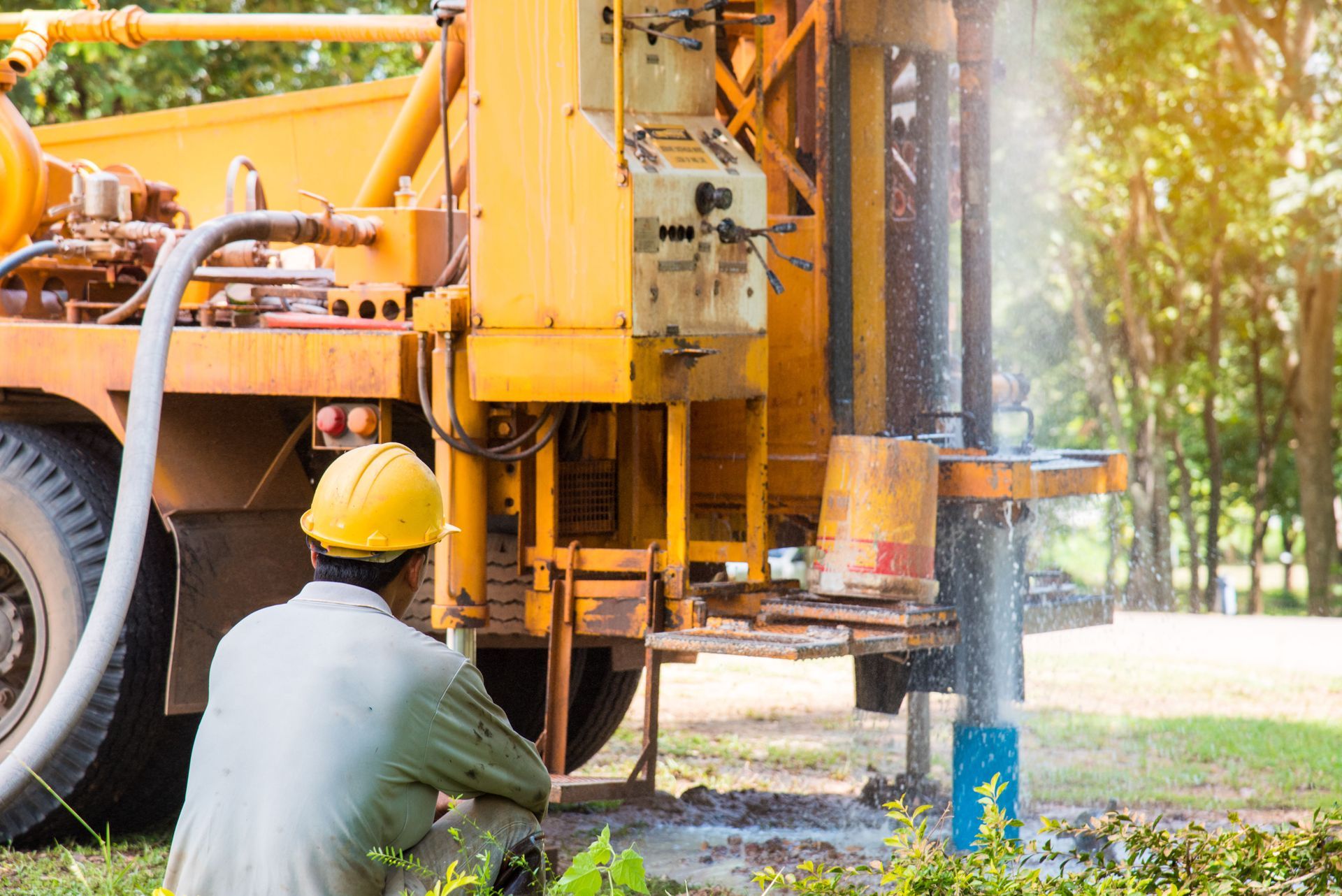
Selecting the proper method for residential well drilling depends on site-specific soil types, target depths, and geological formations. Rotary drilling remains the most common technique, utilizing a rotating drill bit supported by circulating fluids to break up rock and cool components. The fluid carries crushed rock fragments up to the surface while maintaining hydrostatic pressure to keep the borehole open. This versatility makes rotary methods ideal for reaching deep aquifers through varied ground layers efficiently.
Air drilling offers a high-speed alternative in hard rock environments, using high-pressure compressed air to flush out debris instead of heavy drilling muds. The air cools the bit and instantly blows rock cuttings up the annular space of the borehole. Because it avoids liquid muds, air drilling provides cleaner conditions and allows operators to immediately detect water entry when the drill penetrates an aquifer. This method drastically reduces clean-up times and optimizes operational efficiency in suitable geological formations.
Percussion and auger methods are also deployed for specialized conditions, such as hard surface strata or soft, shallow clay deposits. Percussion drilling, or cable tool drilling, relies on a heavy bit repeatedly striking the ground to crush rock into small pieces. Auger drilling uses a large continuous screw to extract soil in unconsolidated, shallow formations. Understanding the strengths and limitations of each technique allows operators to match equipment to land characteristics, keeping projects on schedule and within budget.
Installing Casing and Screens
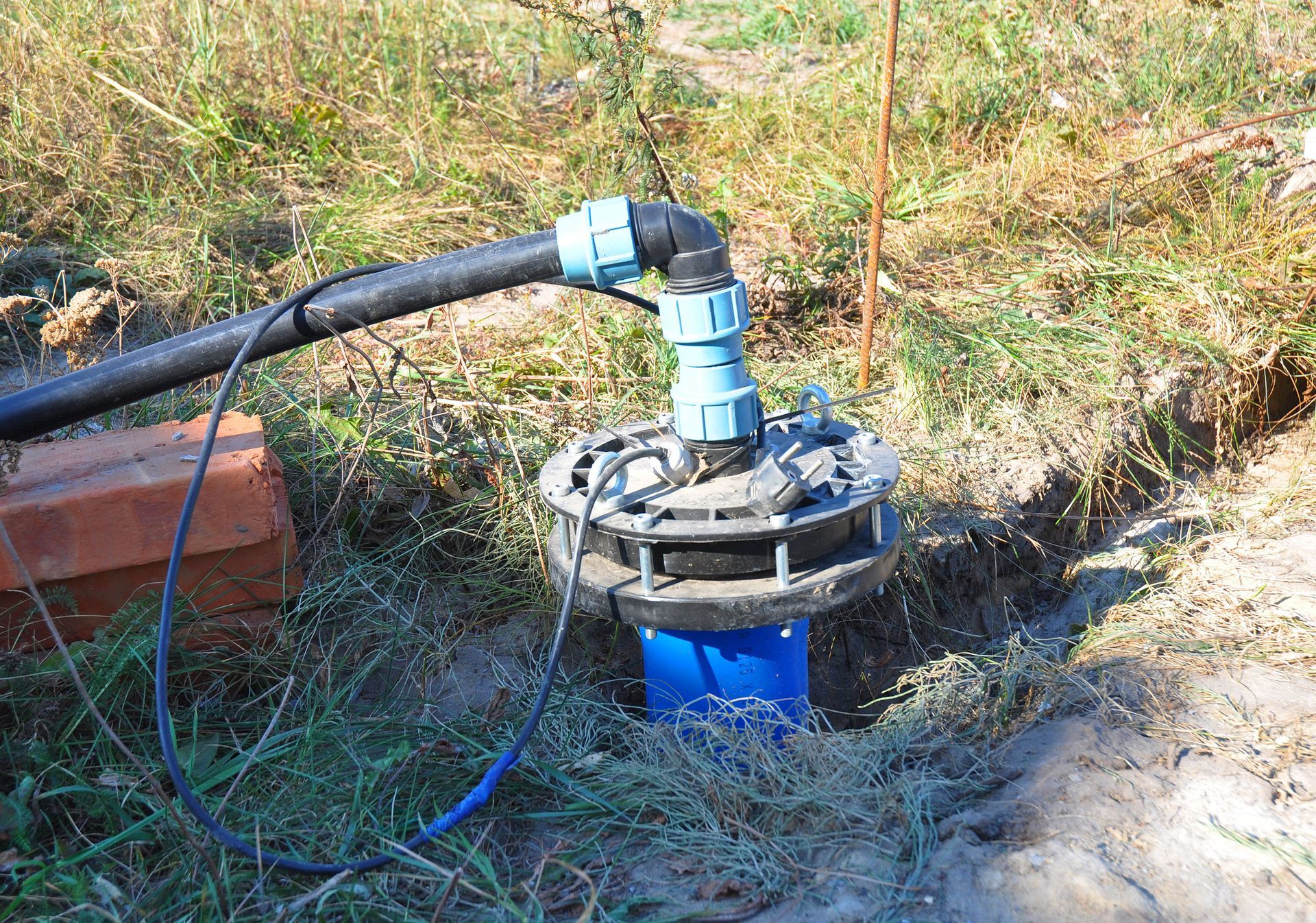
Once the hole reaches the target depth, installing high-strength casing prevents the borehole walls from collapsing into the water supply. Typically made of structural steel, stainless steel, or heavy-duty PVC, the casing creates a durable, continuous conduit running from the surface down to the aquifer zone. The diameter, wall thickness, and material composition are chosen based on local soil chemistry, structural depth requirements, and expected operational stress over decades of continuous use.
To protect against surface contamination, workers pump a dense cement or bentonite grout slurry into the annular space surrounding the casing. This critical sealing process creates an impenetrable barrier that prevents shallow, untreated surface runoff, pesticides, and surface pollutants from trickling down into the deep aquifer below. Proper grouting also locks the casing securely in place, stabilizing the upper structure against ground movement and seasonal frost heave.
At the bottom of the casing, specialized well screens and engineered gravel packs are installed within the water-bearing zone. The slotted screen allows water to enter while blocking larger formation particles. The surrounding gravel pack acts as a secondary filter to keep fine sand and sediment out of the pump intake assembly while maintaining maximum fluid intake. Strategic casing design and screen selection ensure the structural integrity and water purity of
residential well drilling projects for generations.
Developing and Testing the Well
After structural installation, well development cleans out residual drilling fluids, fine clays, and crushed rock from the surrounding geological formation. Techniques like high-pressure water jetting, mechanical surging, and controlled over-pumping help clear blocked pore spaces in the target aquifer. This process restores the natural hydraulic conductivity of the rock or soil formation, allowing clean water to flow freely into the intake screen with minimal head loss and resistance.
Developing the well also stabilizes the gravel pack and surrounding formation, ensuring that the pump will extract clear water free of abrasive sands. Removing fine particles at this stage protects downstream plumbing, pressure tanks, and residential water treatment systems from premature wear and clogging. Thorough development transforms a freshly drilled hole into an efficient, long-lasting production well capable of meeting daily household volume demands.
Following development, rigorous pump testing evaluates both water quality and reliable yield capacity. Hydrogeologists monitor flow rates and water level drawdown over extended continuous pumping cycles to verify that the aquifer can support long-term domestic use. Water samples are simultaneously collected and sent to certified laboratories to test for minerals, heavy metals, and microbial safety, guaranteeing the system produces clean, potable water.
Maintaining Long-Term Systems
Maintaining high water quality and peak pump performance requires routine monitoring and proactive infrastructure management. Groundwater levels fluctuate seasonally based on weather patterns, drought conditions, and regional withdrawal demands. Installing observation ports and automatic sensors helps property owners detect drops in static water levels or pump efficiency before major mechanical failures or water shortages occur, allowing for timely adjustments or maintenance.
Long-term maintenance includes inspecting electrical control boxes, testing pressure tanks, checking check valves, and periodically flushing mineral scale from internal piping. Submersible pumps operate under demanding conditions and benefit significantly from regular mechanical checks to prevent unexpected electrical shorts or motor burnouts. Routine water testing every few years ensures that environmental shifts have not impacted overall purity or safety.
Proper care protects against bacterial contamination, prevents hardware deterioration, and extends the operating lifespan of expensive underground pumping equipment. Protecting the wellhead area by keeping pesticides, fertilizers, and heavy machinery far away prevents accidental structural damage and surface seepage. Investing in regular upkeep secures a clean, uninterrupted water supply for household convenience and peace of mind. For more information about the services that we offer, reach out to our incredible team at DMB Drilling Co Inc today!