August 29, 2026
The process of drilling a well can seem daunting, especially for those who are unfamiliar with the intricacies involved. This article aims to demystify the process by providing comprehensive guidance on what to know about local well drilling services. From assessing your needs to understanding regulations, each section will equip you with the necessary information to make informed decisions. Whether you're considering well drilling for residential or commercial purposes, understanding the basics is crucial to ensure a successful project. By the end of this article, you will have a clear roadmap to follow, ensuring a reliable water supply for your needs.
Understanding the Basics of Well Drilling
What is Well Drilling?
Well drilling is a process of creating holes in the earth's surface to access underground water sources. It is a crucial method for many households and businesses to obtain a reliable supply of water. The need for well drilling services often arises in areas where municipal water is unavailable or when an additional water source is required. Access to clean water is essential for drinking, domestic use, irrigation, and various industrial applications. By tapping into aquifers, wells ensure a stable and often sustainable water source for different needs.
A properly drilled well offers a lifeline for communities, bridging the gap where city water lines don't reach. It is particularly significant in rural areas and regions prone to water scarcity. The well drilling process not only provides water but also helps to improve property values, as access to a private water source adds significant utility. The depth of a well is determined by the location of the aquifer and soil conditions. Proper drilling techniques ensure that the water remains clean and safe for consumption.
Understanding the specifics of well drilling, including hydrogeology and soil composition, is essential for effective water retrieval. Every piece of land exhibits unique properties that can influence the outcome of drilling operations. Various tests and environmental studies are often conducted before drilling begins to ensure a successful outcome. Despite the complexity, well drilling remains an indispensable practice for achieving self-sufficiency in water supply. A well-planned and executed drilling project can provide years of uninterrupted service.
Types of Wells Available
Several types of wells are available, each suited for specific uses and geological conditions. The most common types include dug, driven, and drilled wells. Dug wells are shallow, often excavated by hand, and typically have a wide diameter. Driven wells are slightly deeper and involve driving a pipe into the ground to access water. However, the most reliable and widely used type is the drilled well, which can reach aquifers hundreds of feet below the surface.
Drilled wells are particularly advantageous because they reach deeper water sources, which are less susceptible to surface contamination. In fact, according to NHDES, a standard 6-inch diameter drilled well can store 1½ gallons of water per foot of well depth, providing a significant volume of water. These wells require specialized equipment and are constructed using advanced techniques to ensure durability and efficiency. The choice between different well types largely depends on the water needs, soil conditions, and budget available for the project.
For commercial establishments, agricultural operations, or large households, drilled wells are often the preferred choice due to their capacity and reliability. In contrast, dug and driven wells may suffice for smaller-scale needs but can present challenges in water quality and volume. Each type of well has its pros and cons, and decisions should be based on a thorough assessment of site conditions and water demands. Consulting with local drilling experts can provide valuable insights into the best well for specific needs and locations.
Common Materials Used
The construction of a well involves various materials that contribute to its structural integrity and functionality. Casing, typically made of steel or plastic, lines the well shaft to prevent contaminants from entering the water source. Steel casing offers strength and durability, while plastic casing, such as PVC, is resistant to corrosion and chemical reactions. The choice of material often depends on site-specific conditions and budget considerations.
Apart from casings, other essential materials include well screens that filter debris and sand from the water. Gravel is often used to surround the well screen, acting as a secondary filter and stabilizing the well structure. Seals made from cement are applied to close spaces between the casing and drill hole, preventing surface water from seeping into the well. These components collectively ensure a clean and reliable water supply.
Attention to material choice not only prolongs the lifespan of a well but also affects its performance and maintenance requirements. The interaction between materials and local environmental conditions can influence both water quality and well longevity. As technology advances, new materials and construction methods continue to improve well efficiency and sustainability. It's important for contractors and clients alike to consider these factors during the planning and construction phases of well drilling projects.
Technical Requirements and Equipment
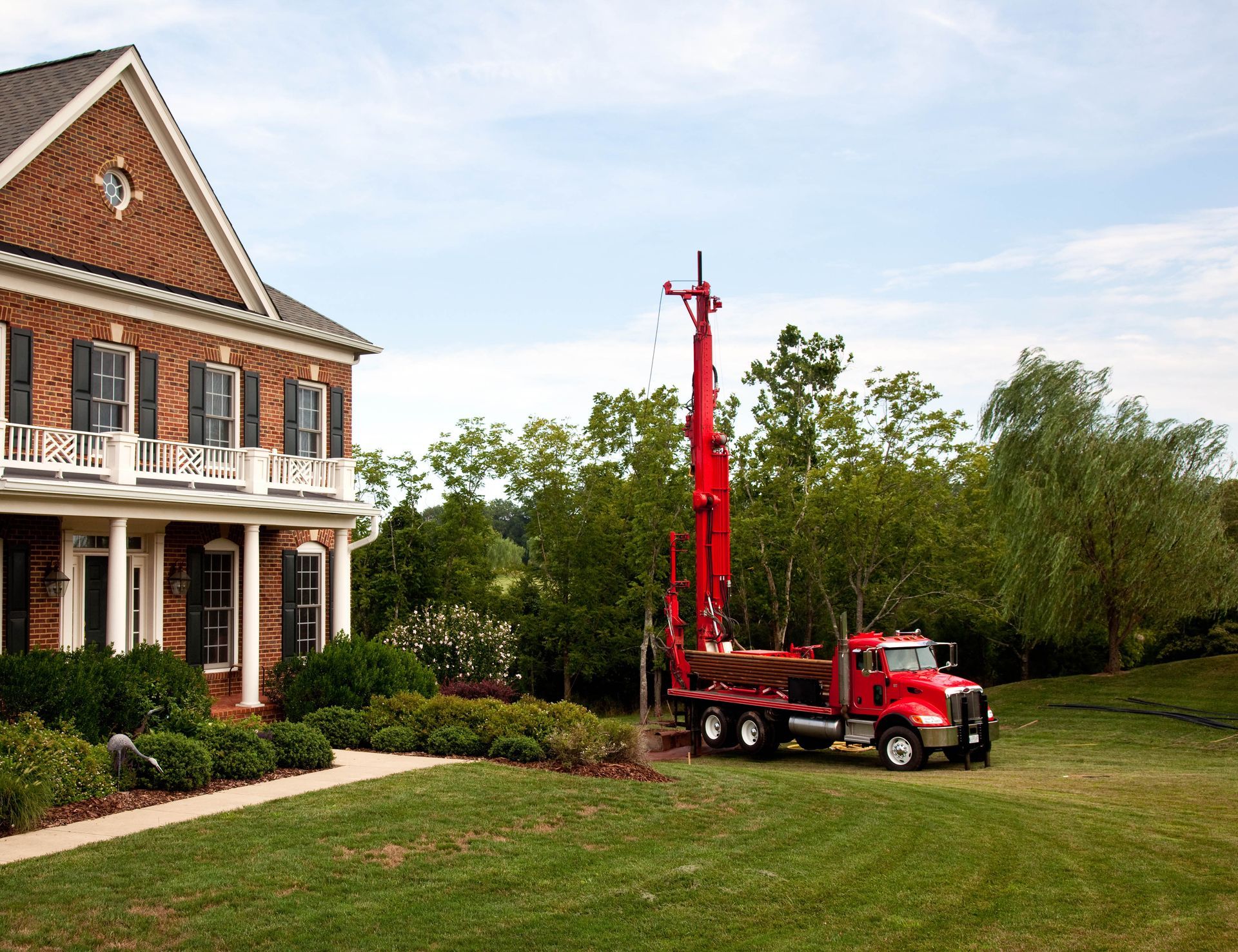
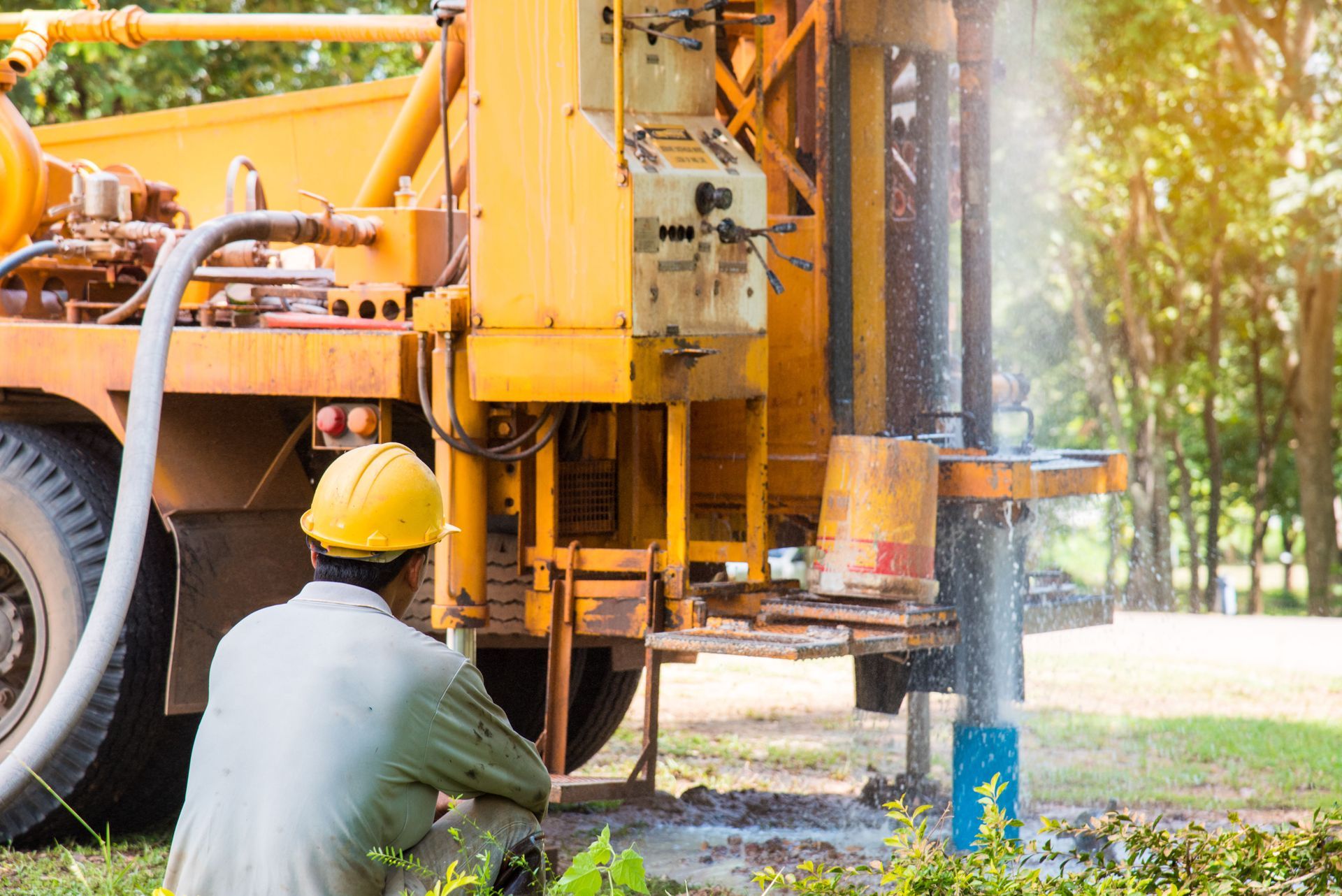
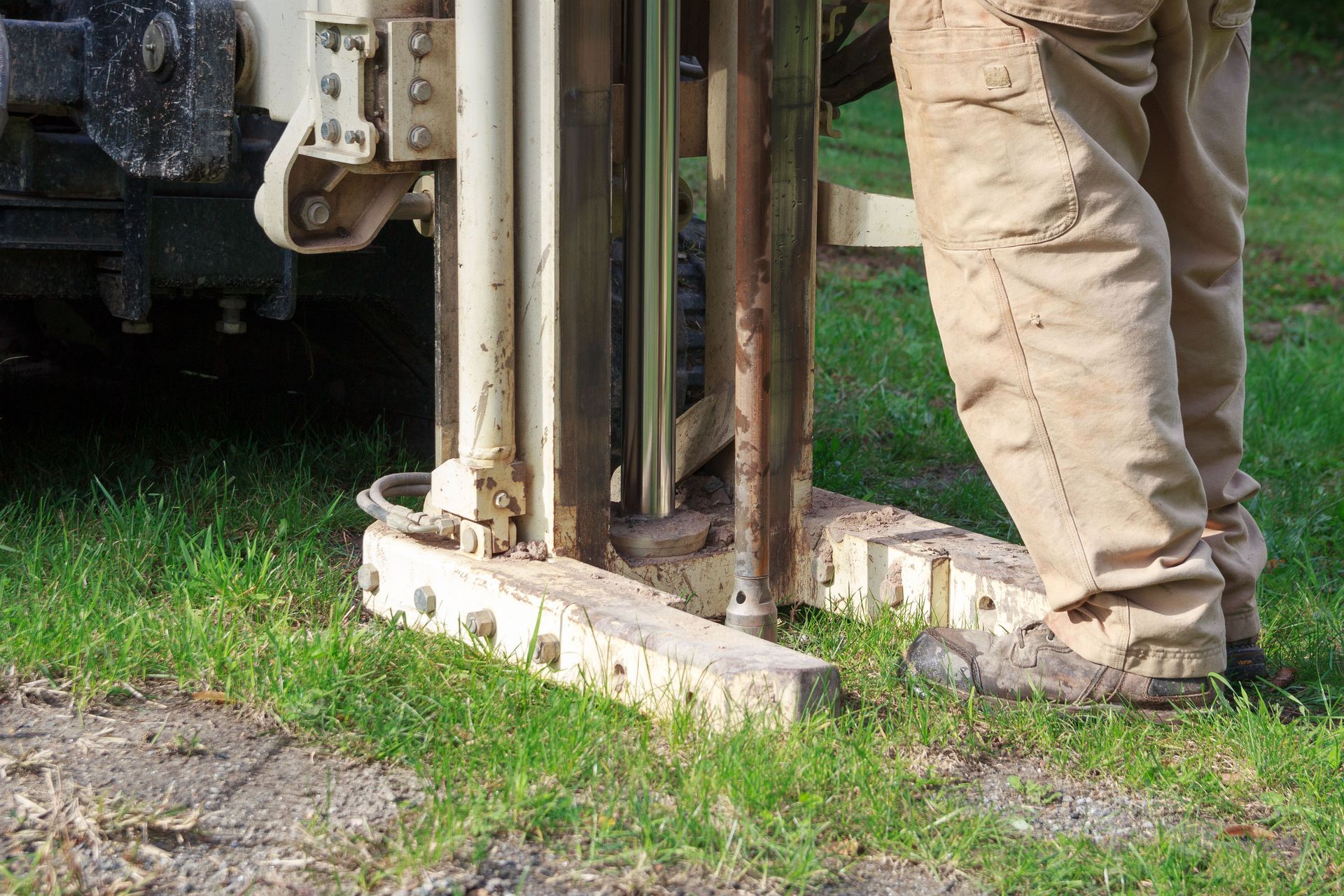
Successful well drilling requires the use of specialized equipment designed to handle the considerable demands of the process. Drilling rigs are essential machinery capable of boring deep into the earth, and come in various sizes and types based on the project's scale. Rotary, air rotary, and cable tool rigs are commonly used, each suited for different geologies and depths.
Complementing drilling rigs are pumps, water trucks, and various support vehicles that facilitate the transportation of equipment, water, and personnel. Pneumatic systems and drilling mud are often employed to lubricate the drill bit and stabilize the well bore. Sophisticated measuring instruments, such as pocket meters and shear vanes, are utilized to assess soil properties throughout the drilling process.
Technological advancements have led to significant improvements in drilling equipment, boosting both efficiency and precision. Innovations like digital controls, real-time monitoring systems, and energy-efficient motors contribute to streamlined operations. Ensuring that equipment is well maintained and operated by licensed professionals is critical for safety and the success of a well drilling project. The integration of standard operating procedures and emergency protocols is also vital to manage potential risks effectively.
Pros and Cons of Well Drilling
Opting for well drilling offers numerous advantages, particularly in areas where public water supplies are unavailable or costly. Wells are an excellent source of fresh, untreated water, which can be more sustainable and economical over time. They provide autonomy over water usage and can be a valuable asset for properties, enhancing their overall value.
However, well drilling also comes with certain challenges. Initial costs for drilling, equipment installation, and obtaining necessary permits can be significant. Moreover, maintenance and routine testing are essential to ensure water quality and system functionality, which may entail ongoing expenses. Additionally, wells are susceptible to contamination from nearby pollutants, making it crucial to implement preventative measures and monitor regularly.
Another consideration is the finite nature of groundwater resources. In some areas, excessive extraction could lead to depletion of the local water table. It requires responsible management to balance water needs with sustainable practices. Understanding these pros and cons is key to making informed decisions about whether well drilling aligns with one's long-term water requirements and financial capabilities.
Determining accurate water needs is a fundamental step before contacting a well drilling company. This involves evaluating daily water consumption depending on household size, agricultural needs, or industrial requirements. Household needs typically cover potable water, cooking, cleaning, and gardening, while commercial use may include manufacturing processes, irrigation, or cooling systems. Clearly defining these parameters ensures that the well's design and drilling depth meet the requisite demand without committing resources. Be sure to reach out to DMB Drilling Co Inc today to learn more about our professional
local well drillers!