August 18, 2026
A residential water well is not a one-size-fits-all installation. The well must be planned around the property's geology, available groundwater, household water demands, and the condition of the surrounding land. A careful evaluation helps determine where to drill, how deep the well may need to go, and what type of system can provide dependable water for the home.
Working with a local well driller gives homeowners access to professionals who understand the area's soil, rock formations, groundwater conditions, and common well configurations. This local knowledge can make the planning process more precise while helping identify potential concerns before drilling begins. A thorough assessment also gives homeowners a clearer understanding of what their property needs from a residential water well.
Evaluating the Property and Groundwater Conditions
Reviewing the Property's Physical Characteristics
A well driller begins by examining the property itself. The location and layout of the land can affect where a well should be installed, particularly when the property contains slopes, wooded areas, structures, driveways, septic systems, or other features that may influence the drilling site. The goal is to identify a practical location that provides adequate access for drilling equipment while supporting the long-term operation of the water system.
The property's surrounding conditions also deserve consideration. A professional may evaluate drainage patterns, nearby water sources, existing wells, and potential sources of contamination. This assessment helps reduce the likelihood that the well will be positioned in an area where surface water or other environmental factors could compromise water quality.
Considering Soil and Rock Conditions
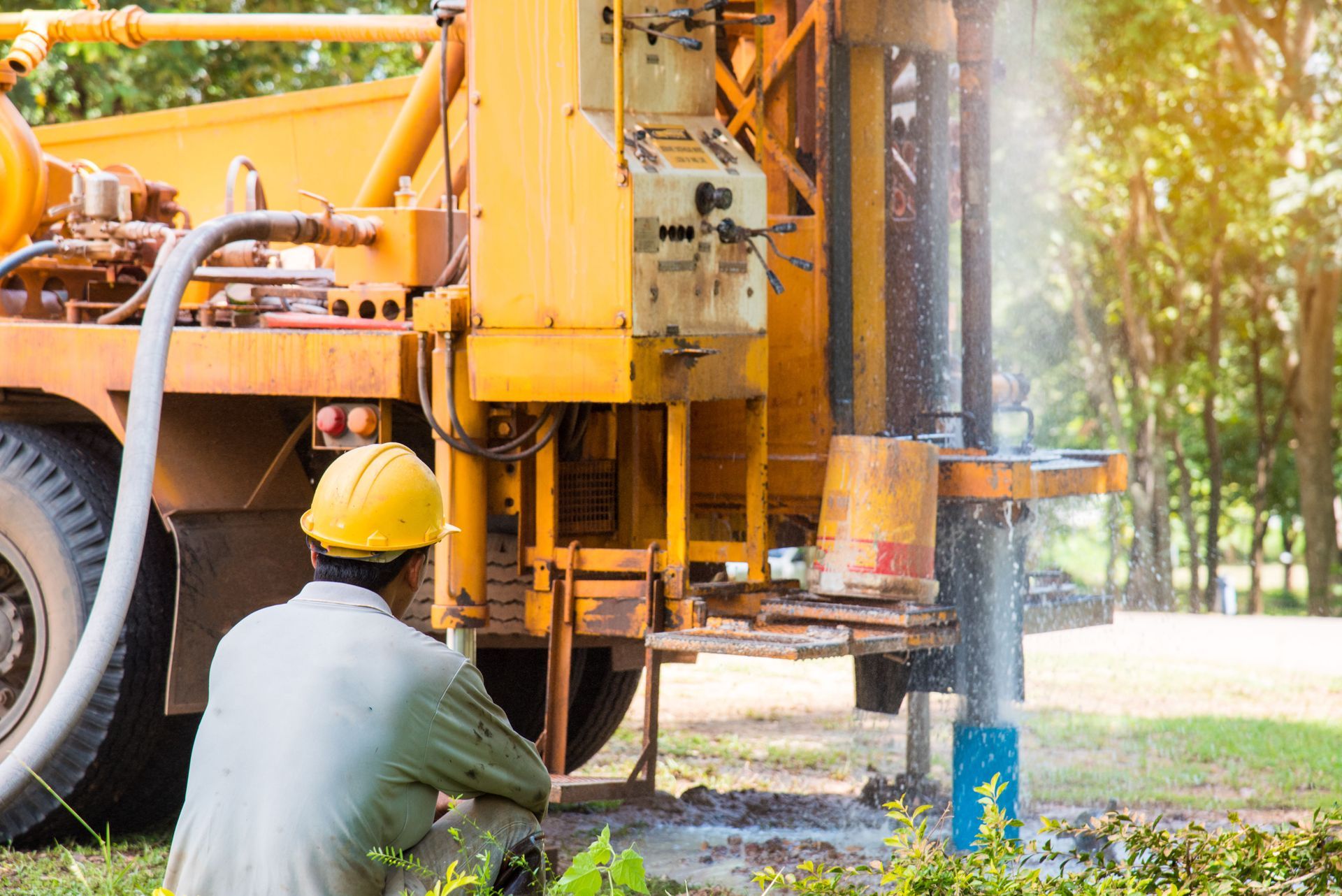
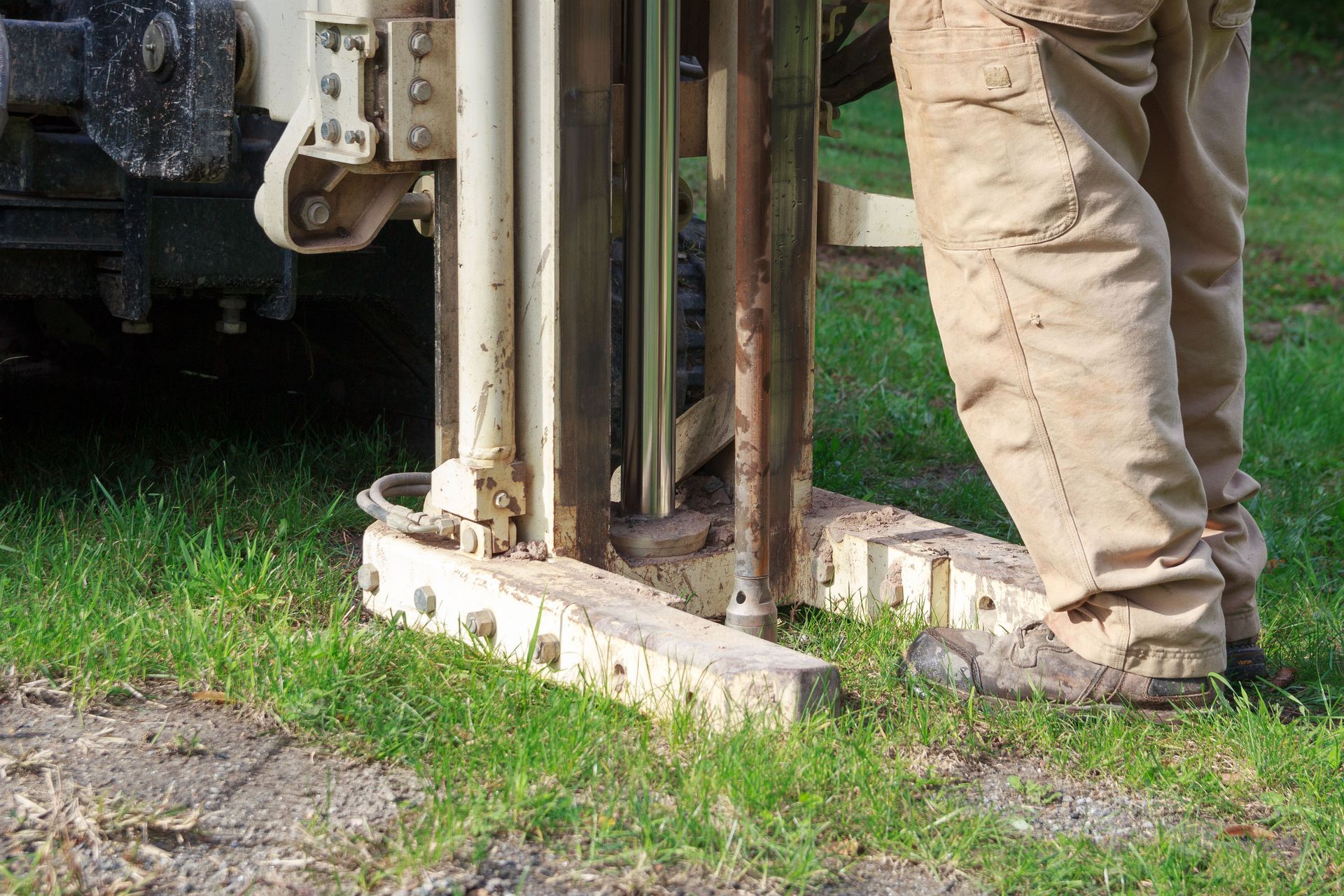
The composition of the ground beneath a property plays an important role in well planning. Different layers of soil, gravel, clay, and bedrock can affect how easily drilling equipment progresses and where groundwater may be encountered. A local well driller uses knowledge of regional geology and experience with similar properties to anticipate these conditions and develop an appropriate drilling approach.
Ground conditions can also influence the expected depth and construction requirements of a well. According to HomeAdvisor, residential wells commonly need to reach approximately 100 to 300 feet to access a dependable water source. However, the appropriate depth for an individual property depends on its specific geological and groundwater characteristics rather than a standard measurement.
Assessing Groundwater Availability
Finding an adequate water supply is one of the most important parts of evaluating a residential property. A well driller considers available information about groundwater levels, nearby wells, local formations, and historical drilling results when determining what a property may offer. These factors can help establish realistic expectations for well depth, water production, and overall system design.
Water availability is especially important when a home has substantial daily demands. A household may require water for drinking, cooking, bathing, laundry, cleaning, and outdoor use. Understanding the property's groundwater conditions allows the well to be planned with those demands in mind instead of relying solely on assumptions about nearby properties.
Determining the Well's Design and Water Requirements
Evaluating Household Water Demand
A local well driller must consider how much water the household is expected to use. A smaller household may have different requirements than a larger family, and properties with irrigation systems, livestock, workshops, or other substantial water demands may require additional planning. Understanding these needs helps determine the appropriate well and pumping system for the property.
The objective is not simply to find groundwater. The system should be capable of supplying water at a rate that works for the household's normal activities. Discussing current and anticipated water usage with a professional can help ensure the well is designed around the property's actual needs rather than an arbitrary capacity.
Planning the Well Depth and Construction
Once groundwater conditions and household requirements have been considered, the local well driller can develop a plan for the well's depth and construction. The final design may account for geological layers, groundwater availability, anticipated yield, local requirements, and the characteristics of the property. Proper planning helps create a system that can provide dependable water while addressing site-specific conditions.
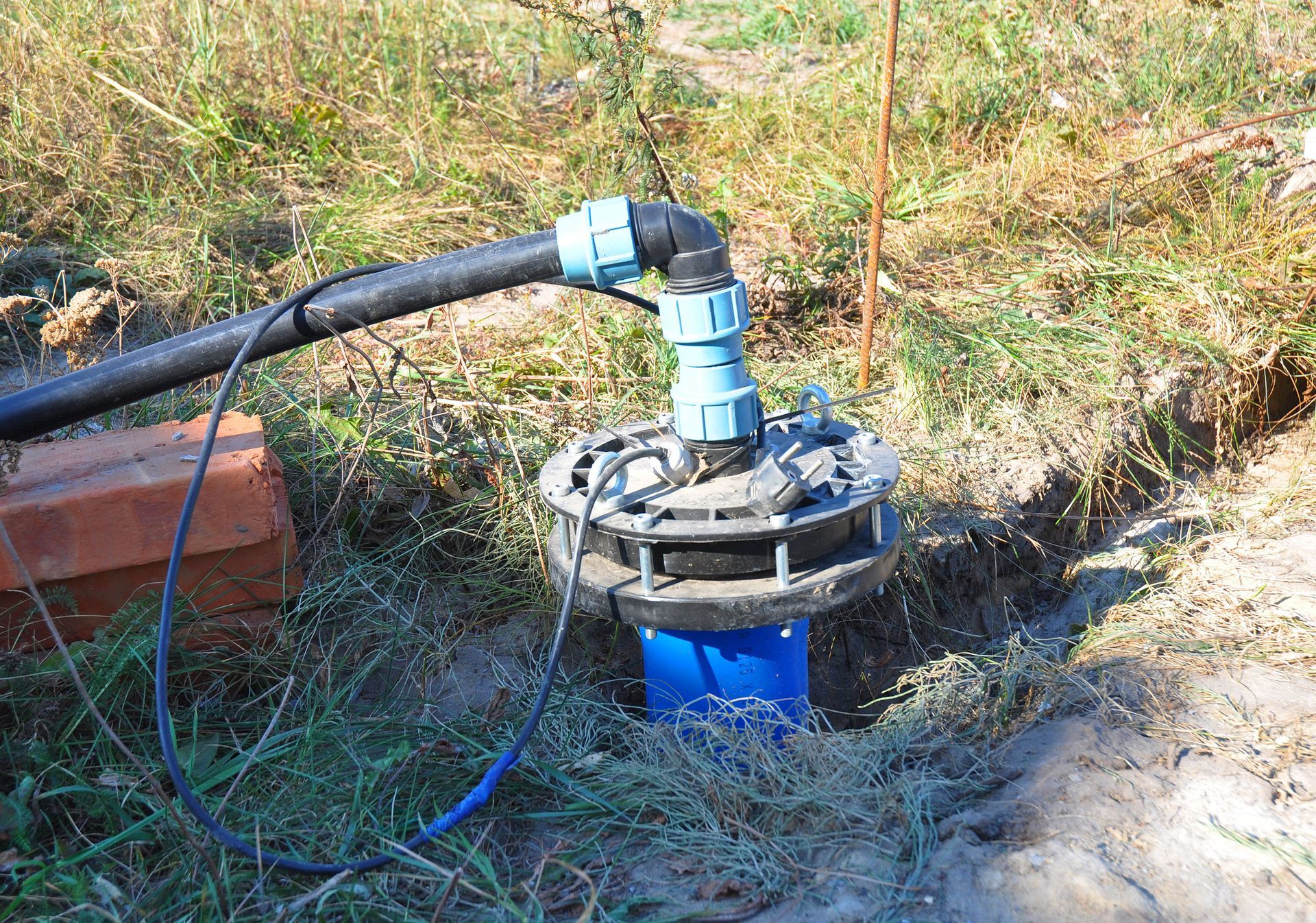
Well construction also involves more than drilling a hole into the ground. The casing, sealing, pump, and other components must work together as part of a complete water system. Careful installation helps protect the well from potential contamination and supports reliable operation. The specific construction approach should be based on the conditions encountered at the property.
Considering Water Quality Requirements
Water quantity is only one part of a successful residential well. Water quality should also be considered during the evaluation process. Depending on local conditions, groundwater can contain naturally occurring minerals, sediment, or other substances that affect taste, appearance, or suitability for household use. Water quality testing can help identify whether treatment or filtration may be appropriate.
A local well driller can use water quality information to help homeowners understand their options. If testing identifies an issue, treatment equipment may be incorporated into the overall water system. Addressing water quality early can make it easier to develop a comprehensive plan that provides both an adequate supply and water suitable for the household's intended uses.
Preparing for Installation and Long-Term Well Performance
Reviewing Access and Installation Requirements
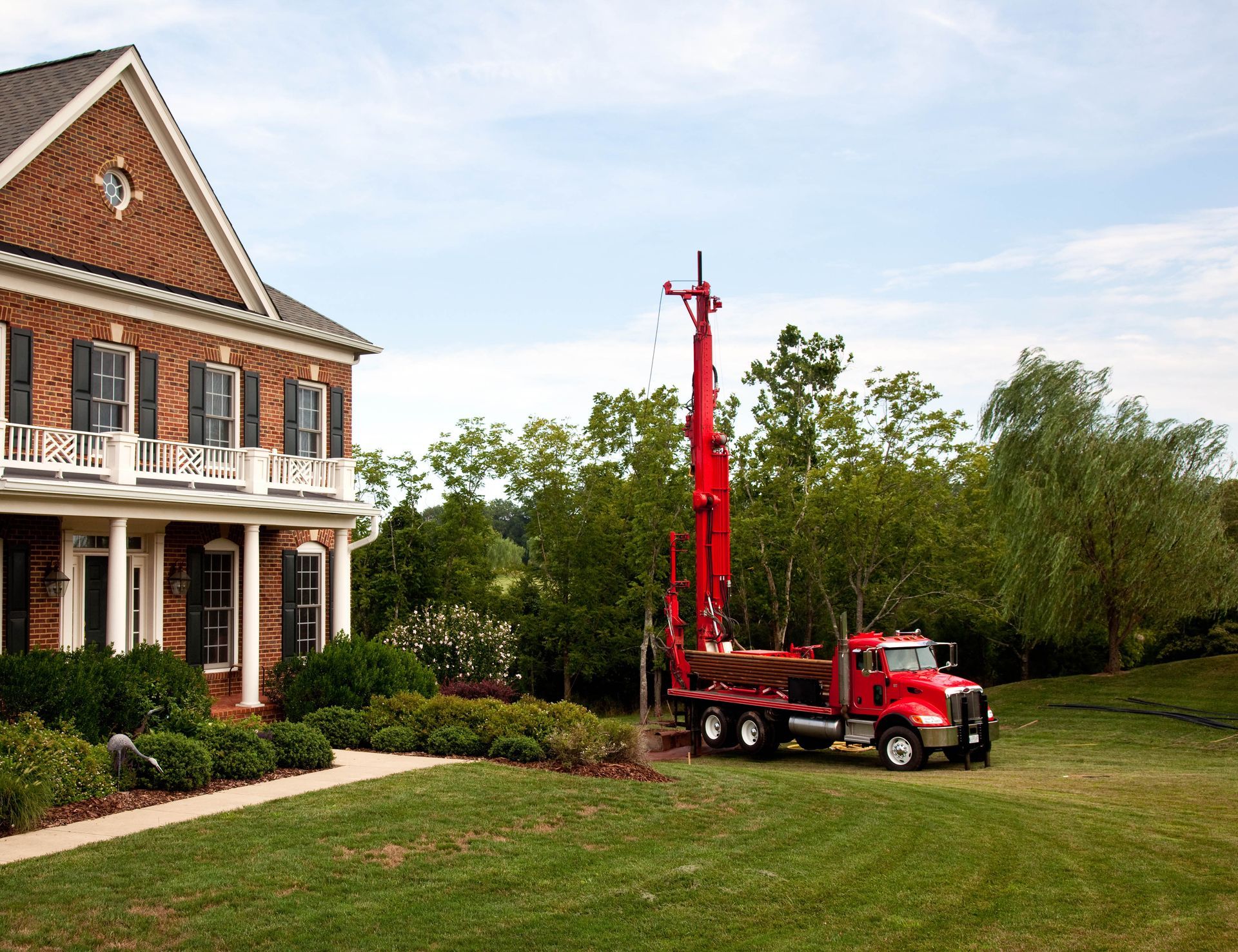
Before drilling begins, a local well driller evaluates how equipment can reach the proposed drilling location. Drilling machinery requires sufficient space and appropriate access, so property features such as narrow driveways, landscaping, buildings, fences, and terrain may need to be considered. Planning access ahead of time can help reduce complications during installation.
The drilling process may also require coordination with other aspects of the property. Homeowners should understand where existing utilities, septic components, and other underground or surface features are located. A professional evaluation helps establish a practical drilling plan while minimizing unnecessary disruption to the property.
Accounting for Maintenance and Future Repairs
A residential well should be evaluated with long-term service in mind, not just the initial installation. Pumps, pressure tanks, treatment equipment, and other components may eventually require inspection, maintenance, repair, or replacement. Planning the system appropriately from the beginning can make future servicing more manageable.
Regular inspections can also help identify developing problems before they result in significant disruptions. Homeowners should generally have their well system checked periodically and monitor changes in water pressure, flow, taste, odor, or appearance. Addressing unusual changes promptly can help protect the system and maintain a dependable water supply.
Matching the System to the Home
Every property has different characteristics, which is why a local well driller should evaluate the entire water system rather than focusing exclusively on drilling depth. The property's physical conditions, groundwater availability, household demand, water quality, access requirements, and future maintenance needs all contribute to the final plan.
A professional evaluation allows homeowners to discuss concerns and expectations before work begins. Whether the project involves constructing a new home, replacing a failing well, restoring an older system, or improving water service, the assessment provides the foundation for selecting an appropriate solution. Experienced professionals can also provide guidance about pump installation, water treatment, inspections, and ongoing maintenance as needed.
Choosing the right approach to residential well drilling starts with understanding the property. Ground conditions, groundwater availability, household demand, water quality, installation access, and long-term maintenance all influence how a well should be designed. A detailed evaluation helps ensure these factors are considered before drilling begins.
A qualified local well driller can assess the property, explain the available options, and develop a water well solution suited to the home's requirements. With careful planning and professional installation, homeowners can establish a dependable water source designed around their property's unique conditions and long-term needs. Contact DMB Drilling Co Inc today for reliable residential well drilling solutions tailored to your home's needs.