September 28, 2026
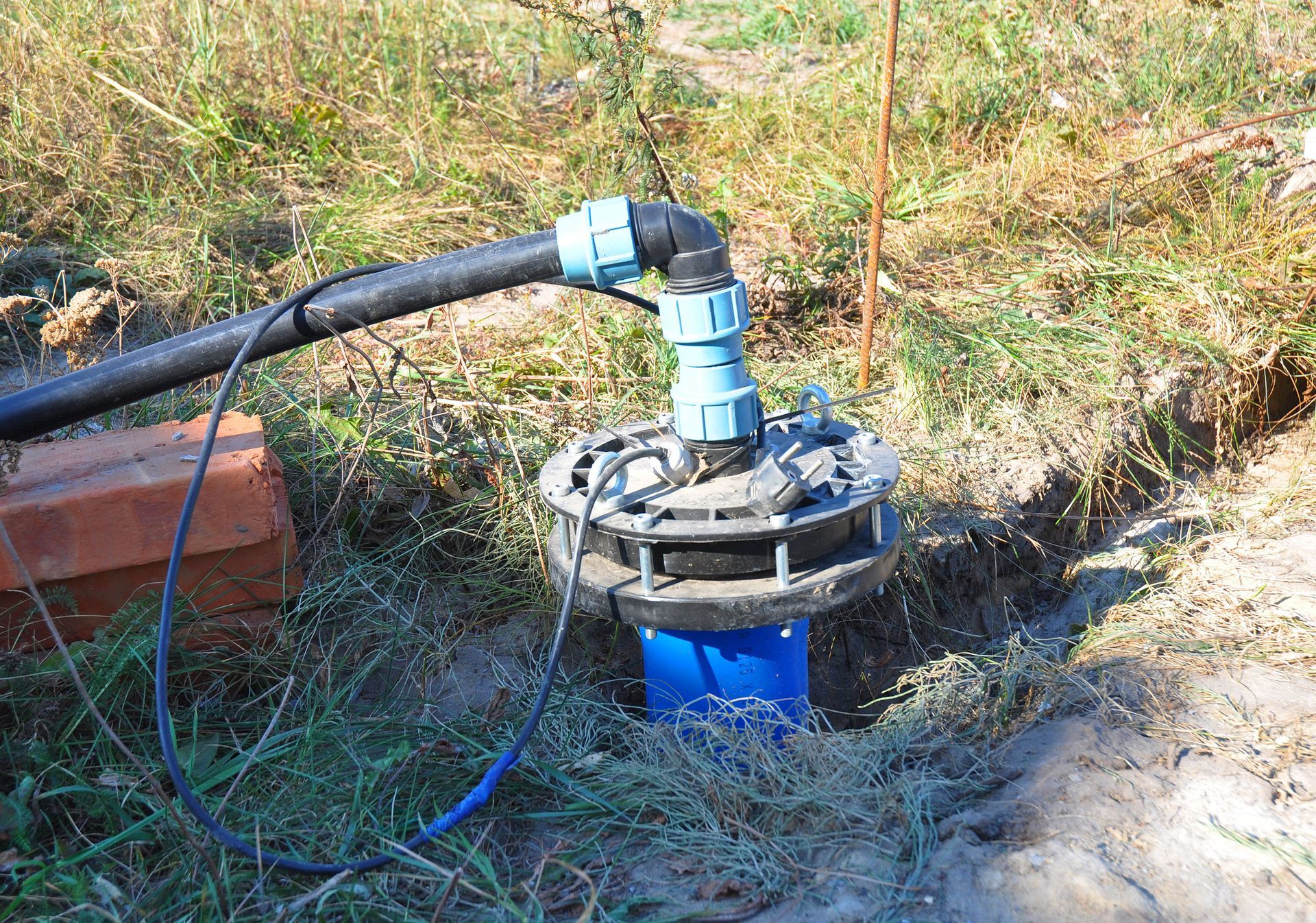
The management of global water resources relies heavily on technical solutions that bridge the gap between subsurface aquifers and the surface infrastructure that sustains modern human life. Water extraction technology has developed rapidly over the past few decades, allowing agricultural, commercial, and residential sectors to tap into reliable reserves that were once unreachable. Access to these subterranean reserves is crucial for regional food security, local economic stability, and basic public health. Without direct access to groundwater, vast regions across the globe would struggle to sustain human populations or maintain productive agricultural outputs. High-efficiency groundwater extraction hardware serves as the primary gateway to these hidden resources, driving consistent supply where municipal grid connections are unavailable or insufficient.
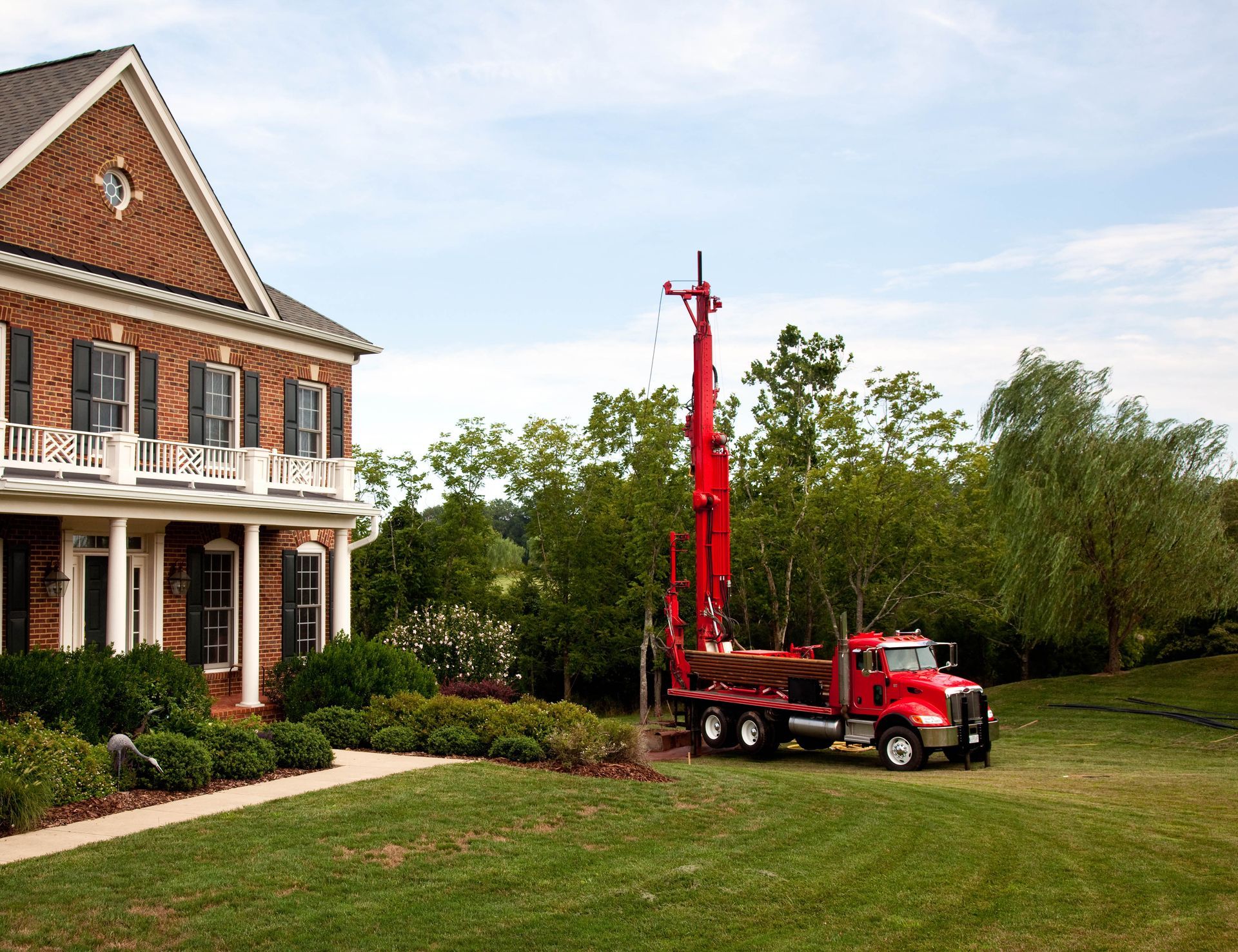
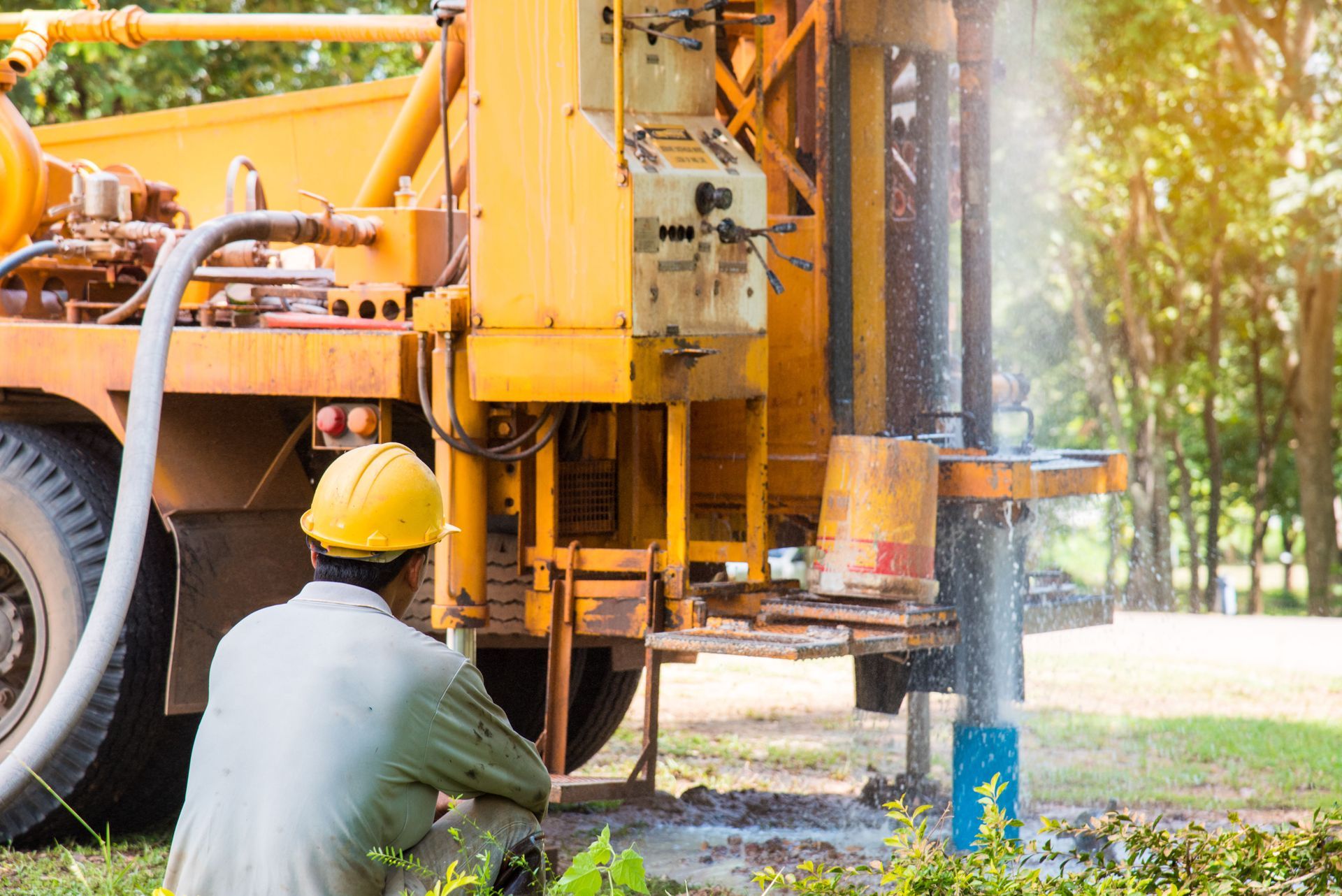
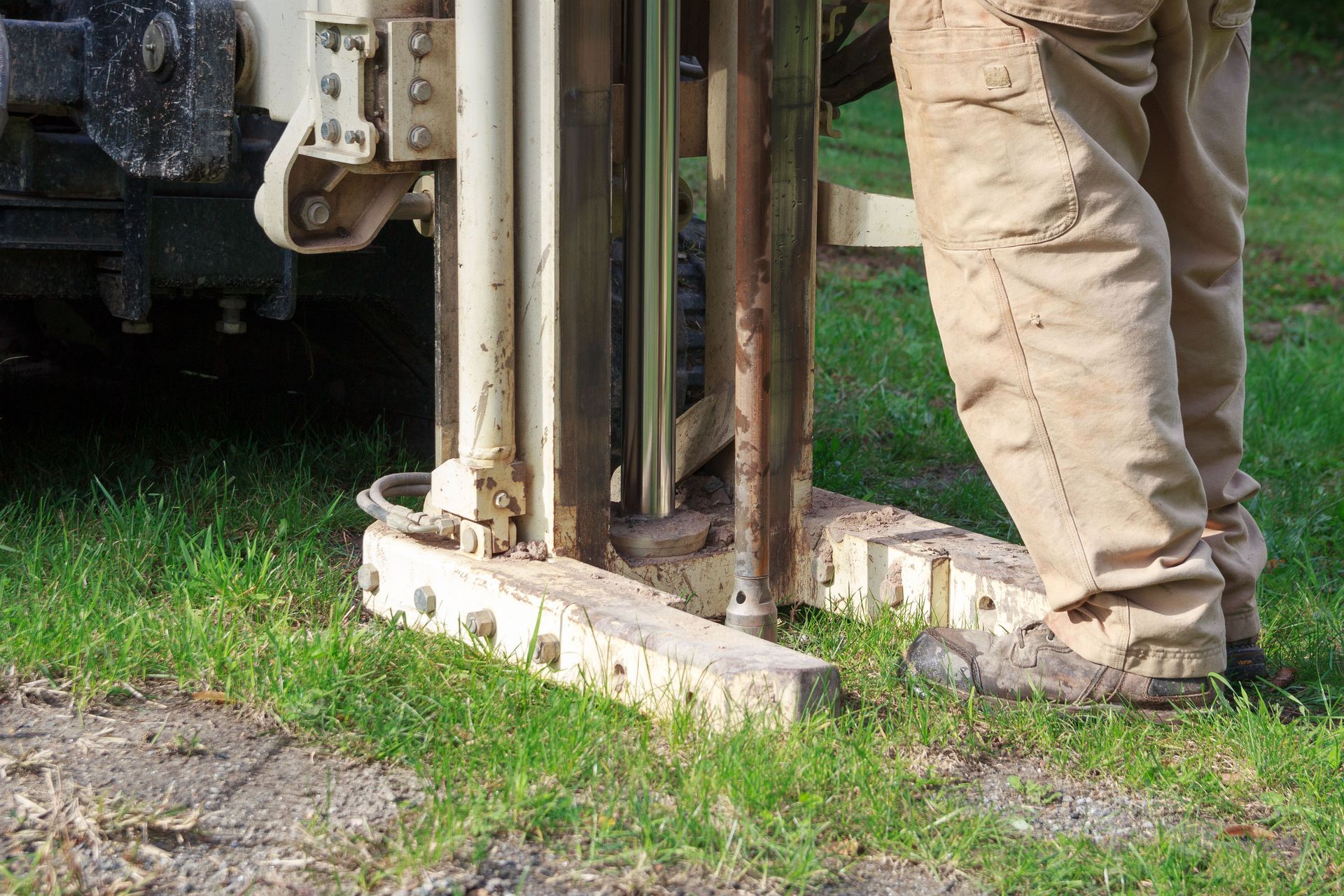
Developing a deep understanding of groundwater dynamics is essential for modern engineers and community planners. Rainwater gradually percolates through layers of soil, gravel, and porous rock, eventually reaching natural underground reservoirs. Accessing these deep pockets requires sophisticated vertical drilling alongside specialized mechanical systems designed to push water upward against gravitational resistance. The operational efficiency of this hardware dictates the overall feasibility of local development, particularly in remote regions. Proper selection, installation, and ongoing professional oversight of groundwater systems ensure that water delivery remains constant, even during seasonal shifts in groundwater levels or prolonged regional dry spells.
Harnessing Groundwater for Modern Agricultural Irrigation
Agricultural operations depend heavily on predictable, on-demand irrigation to sustain crop growth across diverse seasonal shifts. Specialized pumping infrastructure enables farms to draw directly from local aquifers, bypassing the unpredictability of surface streams and localized rainfall patterns. By integrating groundwater access into modern farm infrastructure, producers can establish localized drip or micro-sprinkler systems that optimize every gallon of water used. This targeted application minimizes evaporation losses and ensures that moisture reaches the plant root zones precisely when needed, promoting healthier growth cycles and maximum yield potential. Professional installation and calibration of this equipment allow farmers to maintain exact flow rates and system pressure, directly enhancing crop performance across varying soil types.
Beyond improving crop vitality, precise subterranean water extraction protects the physical integrity of agricultural land. Traditional surface flooding methods often wash away valuable topsoil, leaching nutrients and creating severe soil erosion over time. Tapping into subterranean sources allows producers to employ precise, controlled application methods that keep topsoil intact and maintain long-term land fertility. Furthermore, groundwater access provides a reliable safety net during extended dry spells, protecting operations against severe financial losses when surface water reservoirs dry up. Sustained agricultural productivity directly stabilizes local supply chains and protects regional food security.
Upgrading Domestic Living Standards and Rural Utility Services
Reliable domestic water delivery is a foundational requirement for health, sanitation, and daily convenience in residential settings. Tapping into subsurface aquifers allows homes to establish an independent water supply that functions independently of distant municipal treatment plants. They enable households, particularly in rural and remote areas, to tap into underground water reserves free from the contamination risks associated with some surface water sources. According to the U.S. Geological Survey, about 15% of the U.S. population relies on domestic (private) wells as their source of drinking water. This statistic underscores the significance of water well pumps in safeguarding public health and well-being.
Establishing private access to subsurface aquifers dramatically transforms daily life by enabling full indoor plumbing, high-capacity sanitation systems, and modern kitchen conveniences. Rural property owners who maintain private systems reduce their reliance on public utility networks, insulating themselves from municipal rate increases, aging city pipelines, and localized service disruptions. Furthermore, private systems encourage a greater personal awareness of water conservation, as property owners directly monitor their consumption and pump usage. This self-sufficiency supports sustainable rural development, enabling families to build and thrive in locations far removed from traditional urban infrastructure networks.
Stimulating Regional Economies Through Infrastructure Development
The commercial footprint of the groundwater industry extends far beyond individual farms and residential lots. Manufacturing, installing, and servicing extraction equipment supports a massive network of specialized jobs, ranging from mechanical engineering and hydrogeology to field installation technicians. As demands for higher efficiency and lower operational costs increase, the industry continues to generate skilled labor opportunities across rural and suburban regions alike. Professional servicing and routine system maintenance create steady local employment, helping to anchor community economies and drive economic development across non-metropolitan areas.
Industrial and commercial facilities also derive significant financial advantages from direct groundwater access. Manufacturing plants, commercial laundries, and food processing facilities require immense volumes of water to operate daily. Tapping into subterranean sources via private water well pumps allows these businesses to lower their baseline utility expenses and gain tighter control over operational overhead. The financial savings realized from reduced municipal water purchases can be reinvested into business expansion, workforce development, and product innovation. Furthermore, ongoing demand for higher system performance fuels technological research, resulting in automated control modules, high-efficiency motors, and smart monitoring systems that benefit the broader industrial landscape.
Safeguarding Public Health via Targeted Aquifer Extraction
Securing safe, pathogen-free water is a paramount objective for public health organizations around the world. Surface water sources such as lakes, rivers, and open reservoirs are constantly exposed to environmental runoff, agricultural pollutants, and microbial contaminants. In contrast, deep groundwater is naturally filtered as it percolates through thick layers of sand, soil, and rock. Deep water well pumps allow communities to tap directly into these protected reservoirs, dramatically lowering the incidence of waterborne illnesses. Maintaining clean water access through sealed, professionally installed systems provides a vital barrier against widespread contamination events.
In emergency scenarios, such as extreme weather events or municipal grid failures, private extraction infrastructure serves as an irreplaceable backup system. When centralized utility lines are compromised or contaminated, localized groundwater systems continue to provide clean water for drinking, cooking, and basic medical sanitation. Maintaining a steady flow of water to homes, rural health clinics, and schools preserves essential hygiene standards and prevents community panic. Utilizing modern water well pumps to reach deep aquifers protects populations from volatile surface conditions, reinforcing community resilience and ensuring long-term health security.
Advancing Environmental Sustainability and Climate Resilience
Extracting groundwater responsibly offers substantial ecological benefits by reducing human pressure on sensitive surface water ecosystems. Over-allocating water from rivers and lakes can severely degrade aquatic habitats, reduce localized biodiversity, and harm wildlife populations. Utilizing deep subterranean aquifers via water well pumps diverts stress away from these fragile surface environments, allowing river basins, wetlands, and natural lakes to maintain healthier water levels. Balancing human consumption with underground extraction helps preserve natural ecological balances across diverse rural and suburban watersheds.
Modern technological advancements have further elevated the sustainability profile of deep aquifer extraction systems. Variable-speed motors, solar-powered drive units, and smart pressure sensors have reduced energy consumption across agricultural and residential systems. Integrating solar technology allows water well pumps to operate efficiently in off-grid locations without relying on fossil fuel generators or grid electricity. This transition to energy-efficient and solar-ready equipment reduces carbon footprints while enhancing climate resilience. Communities equipped with reliable, energy-efficient groundwater systems are far better prepared to adapt to shifting climate patterns and prolonged regional droughts.
Overcoming Operational Challenges and Strategic Moving Forward
Sustaining long-term groundwater access requires addressing several key operational, technical, and regulatory challenges. Over time, mechanical components experience wear from mineral buildup, pressure fluctuations, and continuous electrical usage. Professional technicians must perform regular inspections, system flow tests, and electrical diagnostics to prevent premature equipment failure. Professional repair services ensure that subsurface equipment operates within optimal performance parameters while preventing cross-contamination between different geological strata. Investing in professional maintenance infrastructure guarantees that systems maintain high efficiency throughout their operating lifecycle.
Looking toward the future, the integration of smart technologies like the Internet of Things and automated system diagnostics will continue to transform groundwater management. Advanced telemetry systems can monitor flow rates, drawdown levels, and motor temperatures in real time, alerting property owners and service professionals to potential issues before major failures occur. Achieving equitable water access globally will also depend on expanding affordable technology and clear regulatory frameworks that protect groundwater quality. For reliable residential water access, system upgrades, or comprehensive commercial installations, consulting with certified professionals like DMB Drilling Co Inc ensures long-term system performance, regulatory compliance, and peace of mind. Investing in high-performance water well pumps remains one of the most effective strategies for securing long-term water independence, supporting economic stability, and protecting community health.