August 7, 2026
Securing an independent source of fresh water is one of the most effective steps property owners can take to establish long-term self-reliance. However, private water infrastructure is not a weekend project or an endeavor suitable for amateur handymen. When planning a private water supply, residential well drilling requires complex machinery, extensive technical training, and an intimate understanding of local geology. Relying on specialized contractors prevents dangerous structural mishaps and frees you from reliance on municipal distribution networks, high monthly bills, and unexpected supply interruptions during dry seasonal spells.
Attempting to handle underground excavating without professional machinery can easily lead to contaminated aquifers, collapsed boreholes, and severe damage to underground utility lines. From initial site surveying and environmental permits to precise equipment calibration, establishing a safe, code-compliant private groundwater source demands expert execution. This comprehensive guide covers everything property owners need to know about professional residential well drilling, highlighting why certified specialists are essential at every phase of the process.
Understanding the Basics of Private Water Infrastructure
Navigating the initial phases of private water development requires a firm grasp of local subterranean geology. Every property sits atop unique layers of soil, sand, clay, and dense bedrock that govern how water flows beneath the surface. Experienced field technicians begin by analyzing geographical maps and local ground conditions to locate the most promising aquifer layer safely. Engaging experts for residential well drilling enables homeowners to tap straight into pristine underground reservoirs while completely avoiding hazardous surface runoff and costly mistakes.
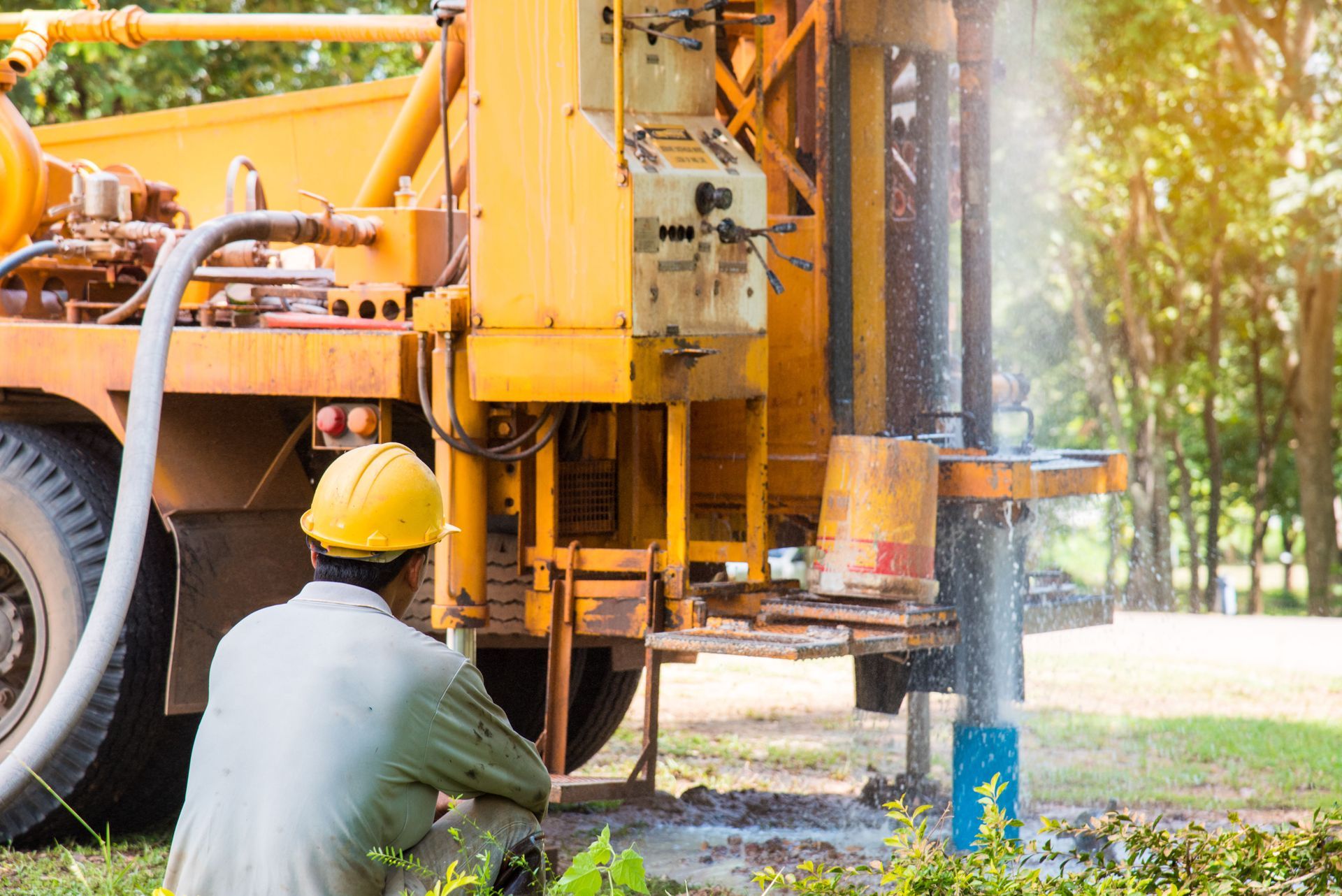
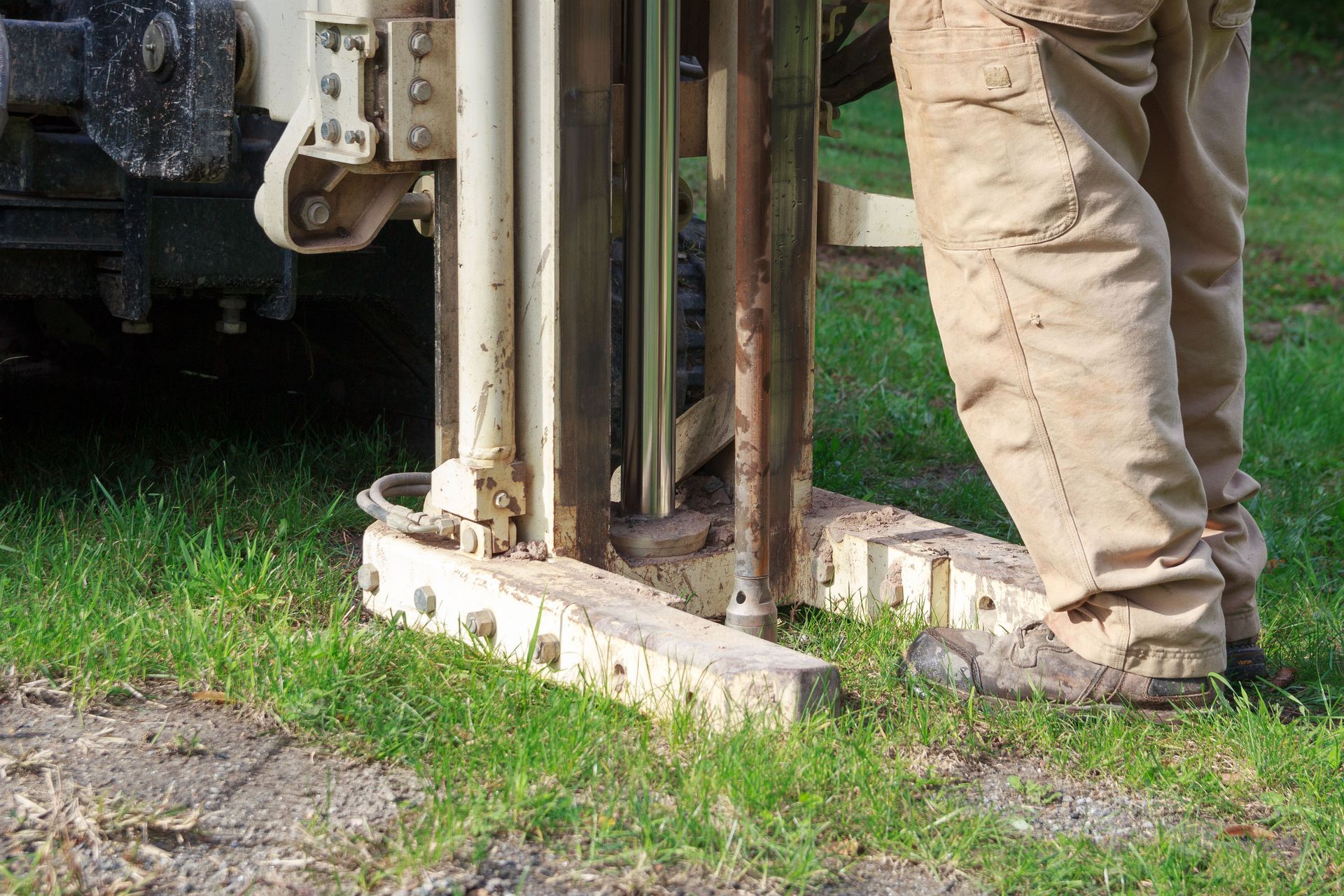
During the initial site evaluation, licensed specialists identify potential hazards to ensure adequate clearance from existing structures, buried power lines, and potential contamination sources like septic drain fields. Modern subterranean extraction utilizes industrial-grade rotary rigs capable of penetrating dense rock and heavy soil strata efficiently—machinery that is impossible to replicate with rental tools. Certified technicians drill a precise shaft and continuously circulate specialized fluids to stabilize the bore walls until permanent structural casing can be safely inserted down the entire length of the hole.
Recognizing the Economic Benefits of Independent Systems
Investing in professionally installed private water infrastructure delivers clear, quantifiable financial returns over time for homeowners. One primary advantage of hiring certified contractors for residential well drilling is securing a high-yield supply that eliminates monthly municipal water bills. Instead of paying recurring utility charges that continuously rise over time, your ongoing operational costs are limited strictly to the minor electrical energy consumed by your pump system. Over years of continuous operation, these cumulative savings easily offset the initial project costs.
Furthermore, private systems provide property owners with complete autonomy over their daily consumption without the stress of improper installation issues. You never have to worry about municipal usage restrictions, lawn watering bans during summer droughts, or unexpected rate hikes passed down by regional utility boards. Owning a properly engineered water source also enhances overall real estate value, making your property far more appealing to future prospective buyers who prioritize resource independence and professional construction quality.
Navigating the Core Steps of the Installation Process
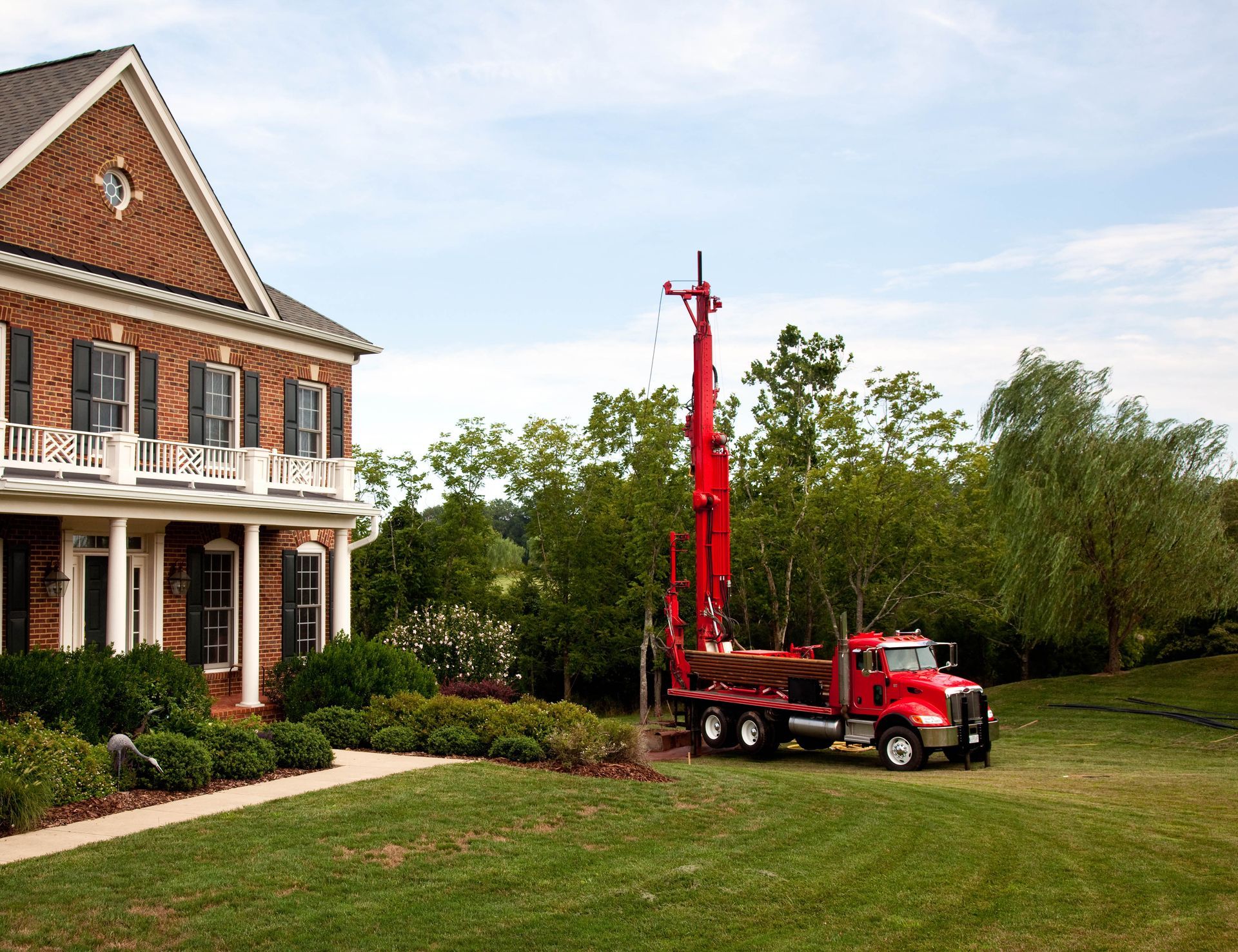
The actual execution of a subterranean water project follows a systematic sequence designed to protect public health and ensure mechanical reliability. Once site preparation is complete, heavy machinery moves into place to launch the primary residential well drilling operation. Drilling crews drive specialized bits deep into the earth to reach saturated rock layers that yield adequate flow rates. According to the National Ground Water Association, approximately 500,000 new residential wells are constructed annually, underscoring how fundamental this practice remains for rural and suburban development throughout the nation.
After reaching the targeted depth, skilled crews install heavy steel or high-density plastic casing to secure the bore wall against dangerous cave-ins. A tailored intake screen is positioned at the bottom of the shaft, allowing clear groundwater to fill the chamber while keeping out sand, sediment, and loose organic particles. Qualified technicians then lower a heavy-duty submersible pump to the exact depth needed, wire it into the electrical panel according to code, and connect it to an indoor pressure tank. Finally, comprehensive flow testing and laboratory water analysis verify that your system delivers safe, clear water at optimal pressure before regular household usage begins.
Selecting Quality Equipment for Continuous Flow
A successful water installation depends heavily on selecting high-grade mechanical equipment configured specifically for your terrain by certified specialists. Following the primary residential well drilling phase, choosing the correct pumping system is critical to maintaining uniform household water pressure. Submersible pumps are the most popular choice for modern installations because they operate silently beneath the waterline, efficiently pushing water upward rather than pulling it from above ground. Technicians carefully calculate your static water level, total borehole depth, and peak consumption to select the exact horsepower required.
Equally important is the indoor pressure tank, which maintains steady distribution throughout your home without forcing the pump motor to short-cycle and burn out prematurely. Experienced installers carefully calibrate these tanks to match your pump's flow rate, protecting your electrical system from costly electrical damage. Additionally, pairing your mechanical setup with professional filtration or water softening equipment shields your indoor fixtures and plumbing from mineral deposits, maximizing the operational lifespan of your entire household water system.
Maintaining System Components for Long-Term Performance
Maintaining high performance and clean output requires consistent oversight and professional preventive care over the life of your equipment. Long after the residential well drilling team finishes the primary site work, homeowners should rely on qualified technicians for yearly system checks. Inspecting the above-ground cap and casing ensures that the protective barrier remains completely sealed against insects, small animals, and surface water runoff that could compromise sanitary conditions inside the shaft.
Routine professional inspections also focus on checking electrical connections, testing pump pressure switches, and monitoring cycle times for potential mechanical wear. Detecting minor pressure fluctuations early through professional service prevents catastrophic pump failures or unexpected water outages. Relying on trained field contractors for routine maintenance ensures your home water system operates at peak energy efficiency while providing uninterrupted service year after year.
Protecting Aquifer Safety Across Your Property
Safeguarding groundwater purity requires diligent environmental management practices across your entire land area. After completing
residential well drilling, establishing an adequate safety buffer zone around the visible surface casing is essential. Homeowners must avoid storing fuel, synthetic fertilizers, weed killers, or household chemicals near the top cap. Keeping these hazardous compounds far away from the borehole minimizes the risk of surface spills seeping down along the outer casing into the subterranean supply.
In addition, maintaining proper distance between your water shaft and secondary structures—such as septic tanks, drain fields, or livestock enclosures—is necessary to prevent severe biological contamination. Scheduling annual laboratory testing with certified technicians for common impurities, including bacteria, nitrates, and heavy metals, offers total clarity regarding water safety. Proactive property stewardship and expert oversight ensure that your family continues to enjoy wholesome, clean water directly from your private source indefinitely.
Developing a dedicated water source is a complex engineering task that requires specialized machinery and expert industry experience to execute safely. Serving Northwestern Wisconsin and East Central Minnesota for over 75 years, DMB Drilling Co Inc is ready to guide you through every phase of your project with complete professional care. Contact us today to request free estimates on services and discover how we can help establish a safe, reliable private water system for your home in the Shell Lake, WI area.