May 11, 2026
The safety and performance of water wells are foundational to property value, environmental sustainability, and the health of those who rely on them. Whether managing a private residence or a massive municipal system, understanding the variables that influence water quality and mechanical reliability is essential for long-term success. This article explores the critical factors that govern well health, offering insights into how these elements can be managed through professional oversight and advanced technology.
Properly addressing these influencing factors is necessary to ensure a well's ongoing functionality. The intersection of geological expertise, regulatory compliance, and periodic well inspection plays a pivotal role in securing a reliable water source.
Assessing Geological Conditions
Rock formations and their unique properties serve as the primary environment for any well. The porosity and permeability of the surrounding strata dictate the ease with which water can be extracted. The mineral composition of these formations can also affect corrosion rates in metal casings and the longevity of submersible pumps. Professionals conduct a detailed well inspection to understand these strata, ensuring the system is designed to interact safely with the local earth.
Monitoring Pressure and Temperature Variations
Pressure and temperature variations within geological formations significantly impact well integrity. While typically more stable in shallow residential wells, high-pressure zones in deeper aquifers require robust control measures to prevent surges. Temperature fluctuations must also be considered to prevent material degradation over time. Utilizing modern sensors during a well inspection helps track these conditions, allowing for a proactive approach to environmental challenges.
Managing Fluid Dynamics
Fluid dynamics determine the flow efficiency and recovery rates of a well. Understanding the viscosity and mineral density of the water helps in selecting appropriate filtration and pumping equipment. Turbulent flows or excessive drawdowns can lead to increased wear on the pump and motor, impacting long-term mechanical health. Maintaining optimal fluid dynamics through proper sizing and calibration contributes to the enhanced performance of the well.
Designing and Constructing for Longevity
The selection of casing materials is pivotal in maintaining structural integrity against the weight of the earth and the corrosive nature of groundwater. According to HomeGuide, a professionally installed water well typically remains functional for 30 to 50 years when properly maintained, although certain components may need replacement sooner. The choice of materials, whether PVC or galvanized steel, should account for tensile strength and local chemical resistance. High-grade materials are essential for preventing collapses and ensuring the water remains free of sediment.
Maintaining Wellbore Stability
Maintaining stability throughout the drilling and production phases is essential. An unstable wellbore can lead to cave-ins, resulting in costly downtime and potential water contamination. Engineers employ various stabilization techniques, including specific mud weights during drilling and the installation of high-quality screens. Ensuring this stability is fundamental for enhancing the system's lifespan and output.
Improving Drilling Techniques
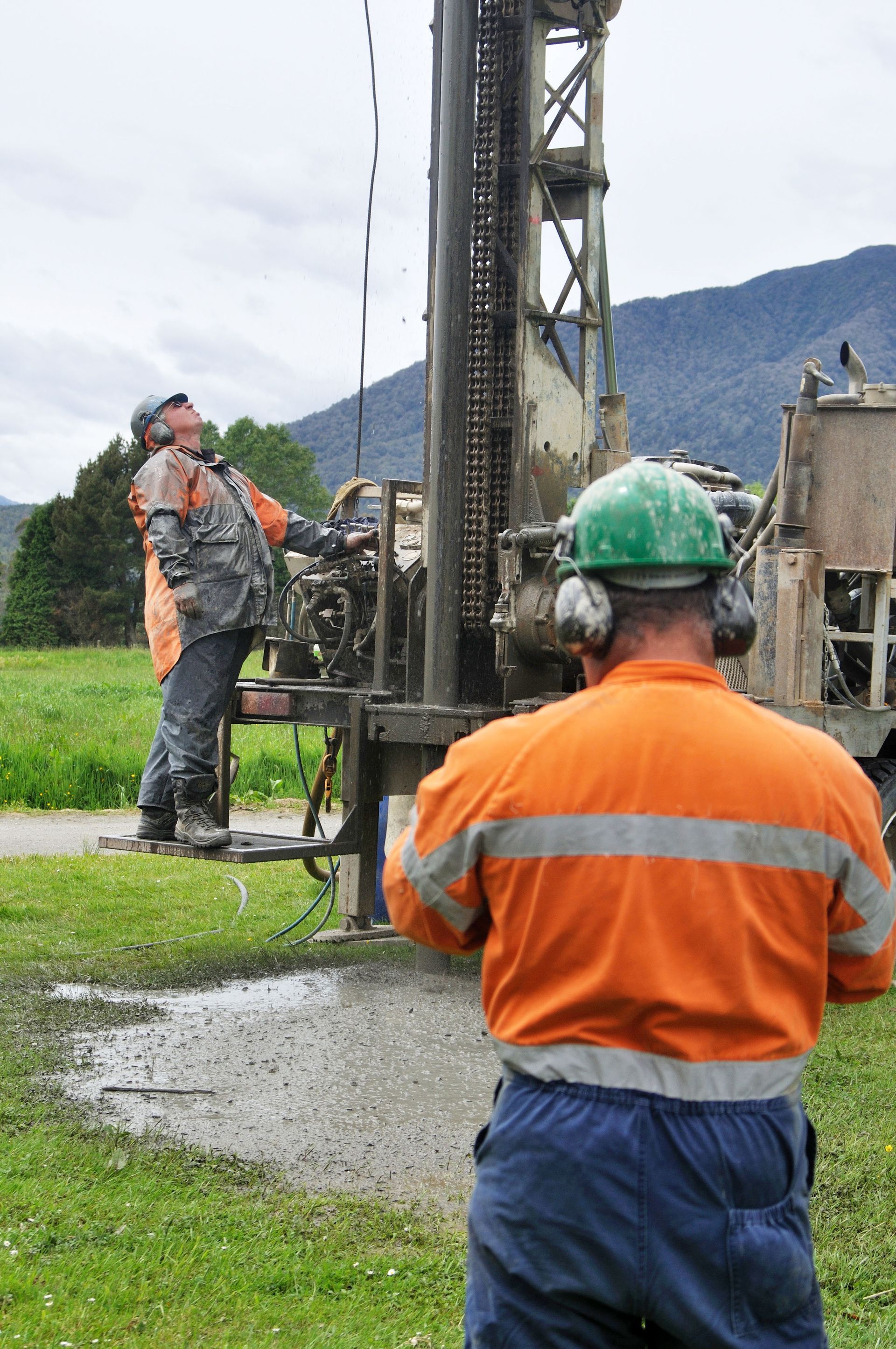
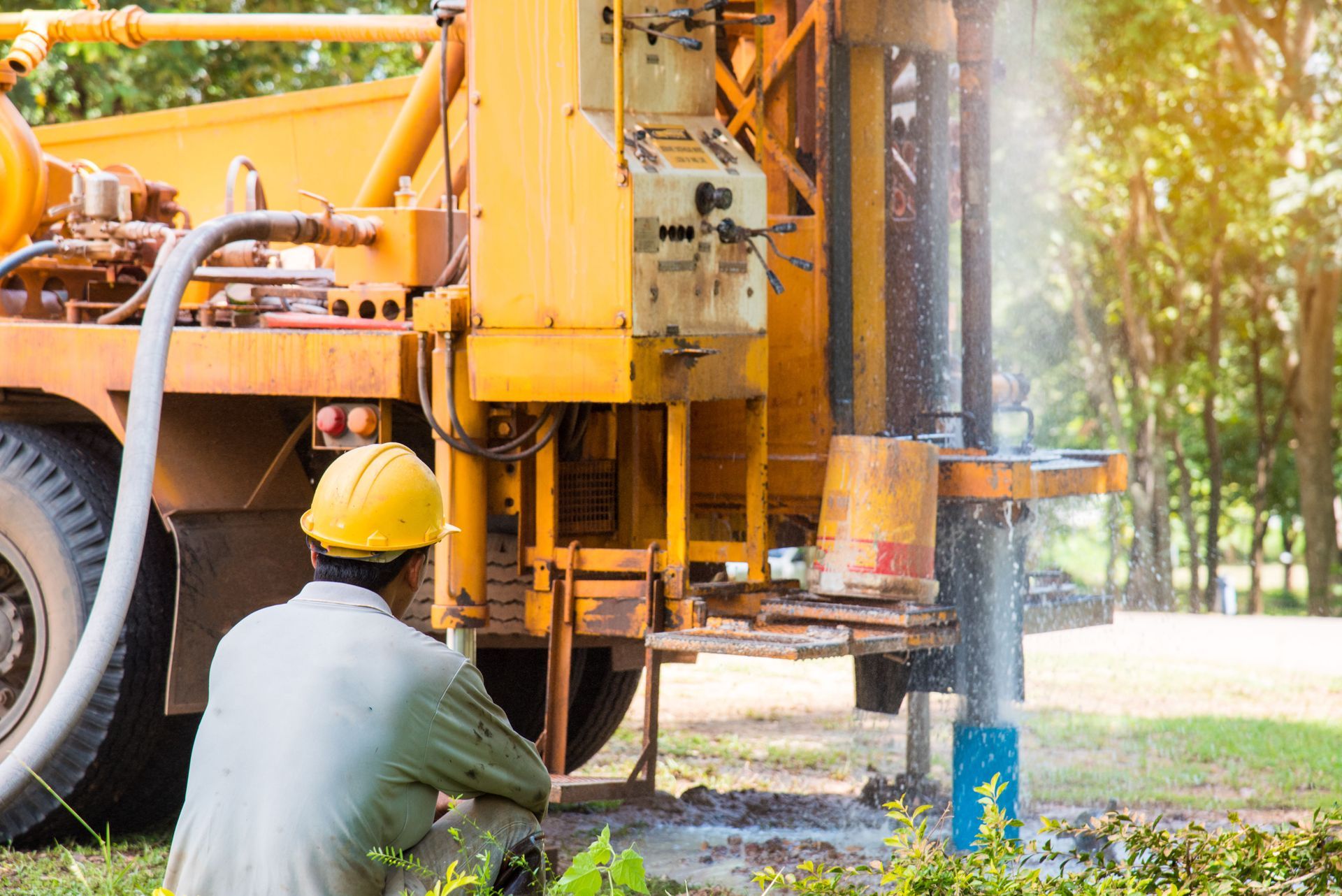
The selection of appropriate drilling techniques impacts the efficiency and environmental footprint of the operation. Modern methods have replaced older, less precise tactics, allowing for greater accuracy when tapping into an aquifer. Innovations in rotary drilling allow for cleaner holes and faster completion times. A tailored approach, influenced by specific geological conditions, leads to more efficient resource extraction and a more reliable water supply.
Utilizing Advanced Equipment and Technology
In high-output or municipal systems, safety mechanisms designed to control abnormal pressure surges are a top priority. These devices can effectively seal the wellbore to prevent uncontrolled releases. Regular testing of these safety seals is mandatory for ensuring site safety. Incorporating state-of-the-art pressure control systems is an indispensable part of a comprehensive safety strategy for complex water systems.
Implementing Monitoring and Control Systems
Advanced monitoring and control systems provide continuous real-time data on well conditions. These systems employ sensors and digital analytics to detect irregularities in flow or pressure, enabling prompt corrective actions before a pump fails. Integration with smart home or municipal grids offers predictive maintenance capabilities, minimizing downtime and ensuring the oversight afforded by these systems translates to better performance outcomes.
Executing Well Rehabilitation
When a well's performance declines over time, rehabilitation tools are employed to perform corrective tasks. This can include wellbore cleaning, chemical surging to remove mineral scale, or physical agitation of the screens. Modern advancements have increased the precision of these tools, relying heavily on data-driven insights from a professional well inspection. Strategic rehabilitation can augment production and facilitate operational optimization for older systems.
Navigating Environmental and Regulatory Factors
Compliance with environmental protection standards is crucial for mitigating the ecological impact of well operations. Owners must ensure that their practices adhere to frameworks that prevent the contamination of the aquifer. Prioritizing environmentally responsible operations helps preserve the water table for the entire community. Adherence to these standards is fundamental for the long-term viability of the local water supply.
Ensuring Regulatory Compliance
Extensive regulatory frameworks govern well safety, ensuring adherence to established safety protocols and health department guidelines. Regular audits assess compliance, holding owners and operators accountable to high standards for water purity. Staying informed of regional changes helps property owners adjust their maintenance plans accordingly. A focus on regulatory compliance strengthens operational transparency and ensures the water remains safe for consumption.
Optimizing Water Management Practices
Effective water management is crucial in minimizing the environmental impact of high-capacity wells. Practices include efficient usage, recycling for irrigation, and the safe management of runoff. Evolving regulations often place an emphasis on conserving groundwater resources, prompting the adoption of water-saving technologies. Comprehensive strategies for conservation contribute to sustainability while ensuring the well is not over-taxed.
Implementing Operational and Maintenance Practices
Routine evaluations of equipment and infrastructure are essential for identifying potential issues before they escalate. A scheduled well inspection helps ensure that the pump, pressure tank, and electrical components are functioning efficiently. Engaging in these regular assessments assists in the early detection of wear, rust, or bacterial growth. Instituting a rigorous regimen is the most effective way to maintain a high-performing water system.
Following Maintenance Schedules
Adhering to defined maintenance schedules mitigates the risks of equipment failure and prolongs the operational life of the pump. Scheduled tasks can include checking the pressure tank's air charge, testing the water for bacteria and nitrates, and cleaning the well cap. This forward-thinking approach optimizes resource allocation and reduces the likelihood of waking up to a dry house. Efficient maintenance practices support sustained safety.
Training the Workforce
For commercial and municipal systems, structured training focuses on best practices and emergency response procedures. Encouraging engagement and reporting among operators fosters an environment conducive to continuous improvement. Regular safety audits and hazard analyses reinforce compliance and enhance risk management. Investing in training directly contributes to safer and more efficient high-capacity well operations.
Understanding the various factors that influence well safety and performance is crucial for any owner or manager. By addressing these factors comprehensively, you can enhance operational safety, improve water delivery, and minimize environmental impacts. An integrated approach to managing geological, technological, and operational influences is imperative for a sustainable future.
DMB Drilling Co Inc provides the expertise needed to manage every aspect of your water system. Our team specializes in residential, commercial/municipal, and geothermal solutions. If you are concerned about the health of your water or the efficiency of your pump, contact us today to schedule a comprehensive well inspection and ensure your system remains reliable for years to come.