May 1, 2026
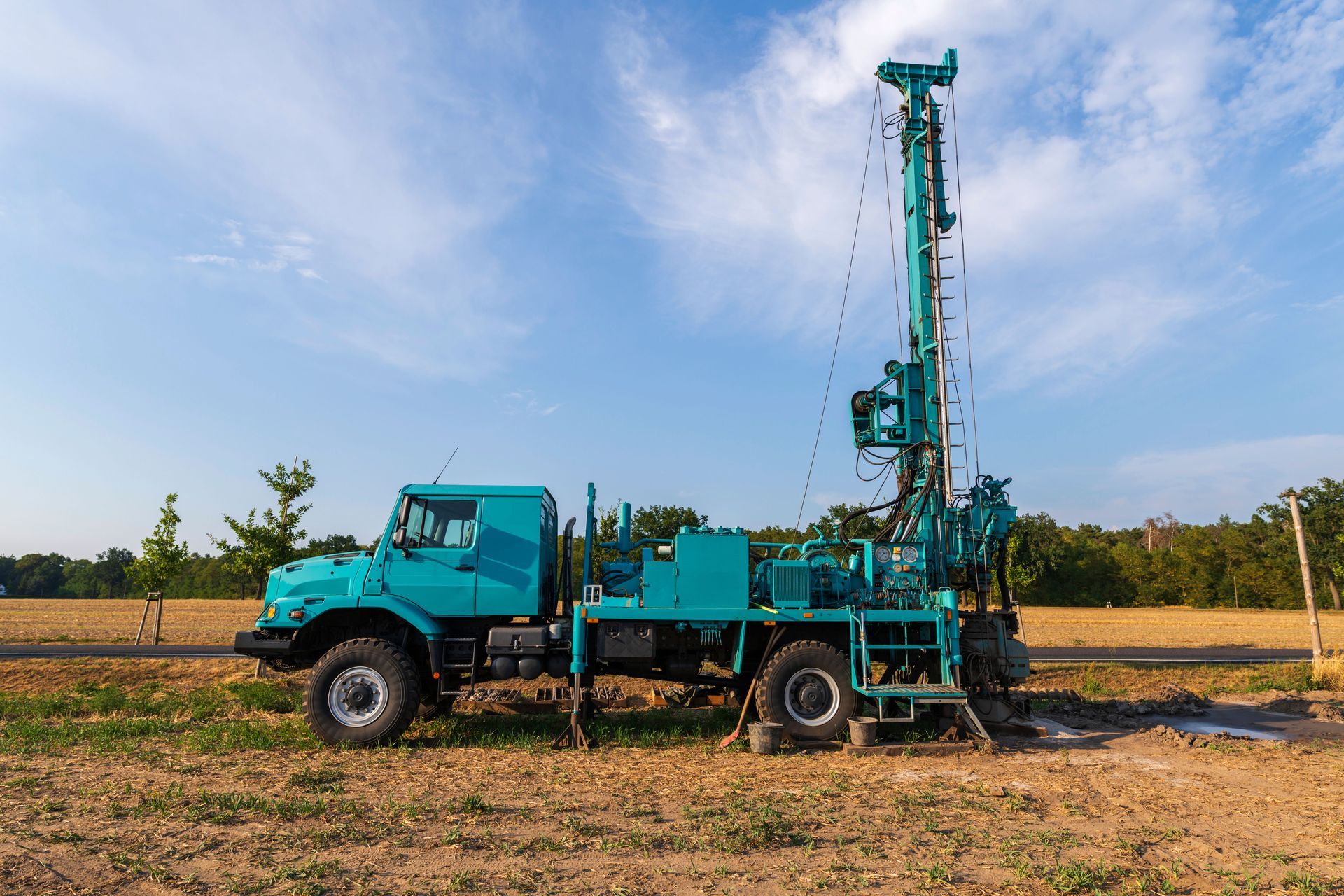
Access to clean groundwater begins long before any drilling equipment arrives on site. Proper well placement determines not only the quality and reliability of the water supply but also the long-term safety and performance of the system. Many property owners assume that drilling a well is as simple as finding a low point on the land, but the process is far more technical and highly regulated.
Experienced well contractors play a central role in guiding this process. They evaluate land conditions, interpret geological data, and ensure compliance with local and state regulations. Without this expertise, homeowners risk placing a well too close to contamination sources or in areas where groundwater yield is unreliable.
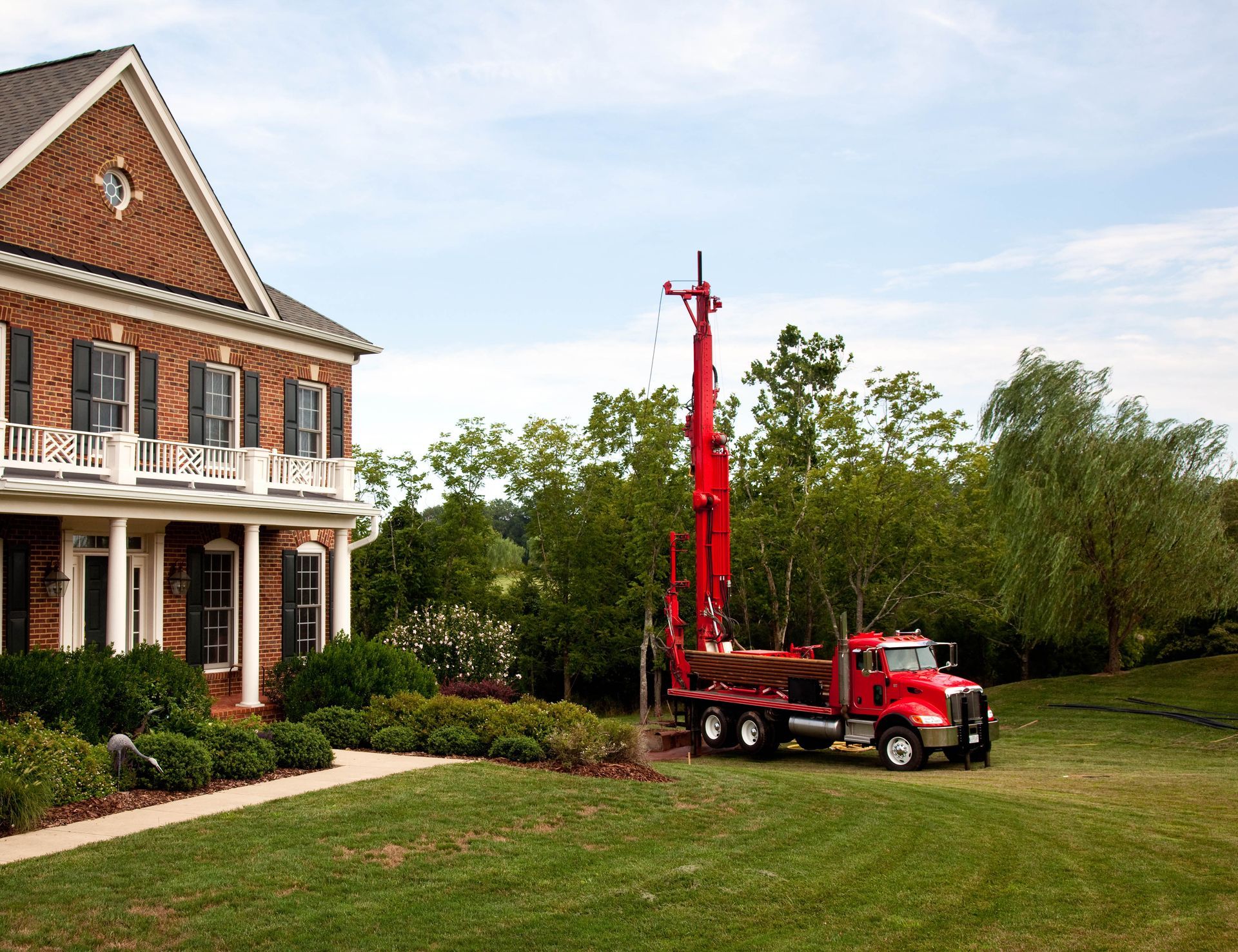
In many cases, well contractors also coordinate with environmental guidelines to ensure the site is safe for long-term use. For example, according to Penn State, wells should be located at least 50 feet from sewers and septic tanks, at least 100 feet from pastures, on-lot sewage system absorption fields, cesspools, and barnyards, and at least 25 feet from a silo. These setbacks are designed to reduce the risk of contamination and protect groundwater quality over time.
Because of these complexities, working with qualified well contractors is not just recommended—it is essential for ensuring a safe and efficient water system.
What Factors Influence The Location Of A Well?
Several environmental and regulatory factors determine where a well can be safely placed. Geological conditions are among the most important, as the composition of soil and rock directly affects water availability and quality. Areas with fractured bedrock or sandy soils may provide easier access to groundwater, while dense clay or unstable formations can complicate drilling.
Hydrology also plays a major role. Well contractors analyze groundwater flow patterns, recharge rates, and seasonal fluctuations to determine whether a site can sustain long-term water production. In some regions, water tables may vary significantly throughout the year, requiring careful planning.
Legal restrictions further shape well placement. Local health departments often impose minimum distance requirements from potential contamination sources such as septic systems, agricultural areas, or chemical storage facilities. Well contractors are responsible for ensuring that these rules are followed precisely to prevent future regulatory or environmental issues.
Finally, land use considerations matter as well. Future construction, landscaping, or agricultural activity can all affect well safety. Well contractors often advise property owners to think long-term when selecting a location, ensuring the well remains protected for decades.
How Do Well Contractors Assess A Site?
Site evaluation is one of the most critical steps in the well installation process. Well contractors begin by conducting a visual inspection of the property, noting elevation changes, drainage patterns, and potential contamination risks. This initial assessment helps narrow down suitable drilling locations.
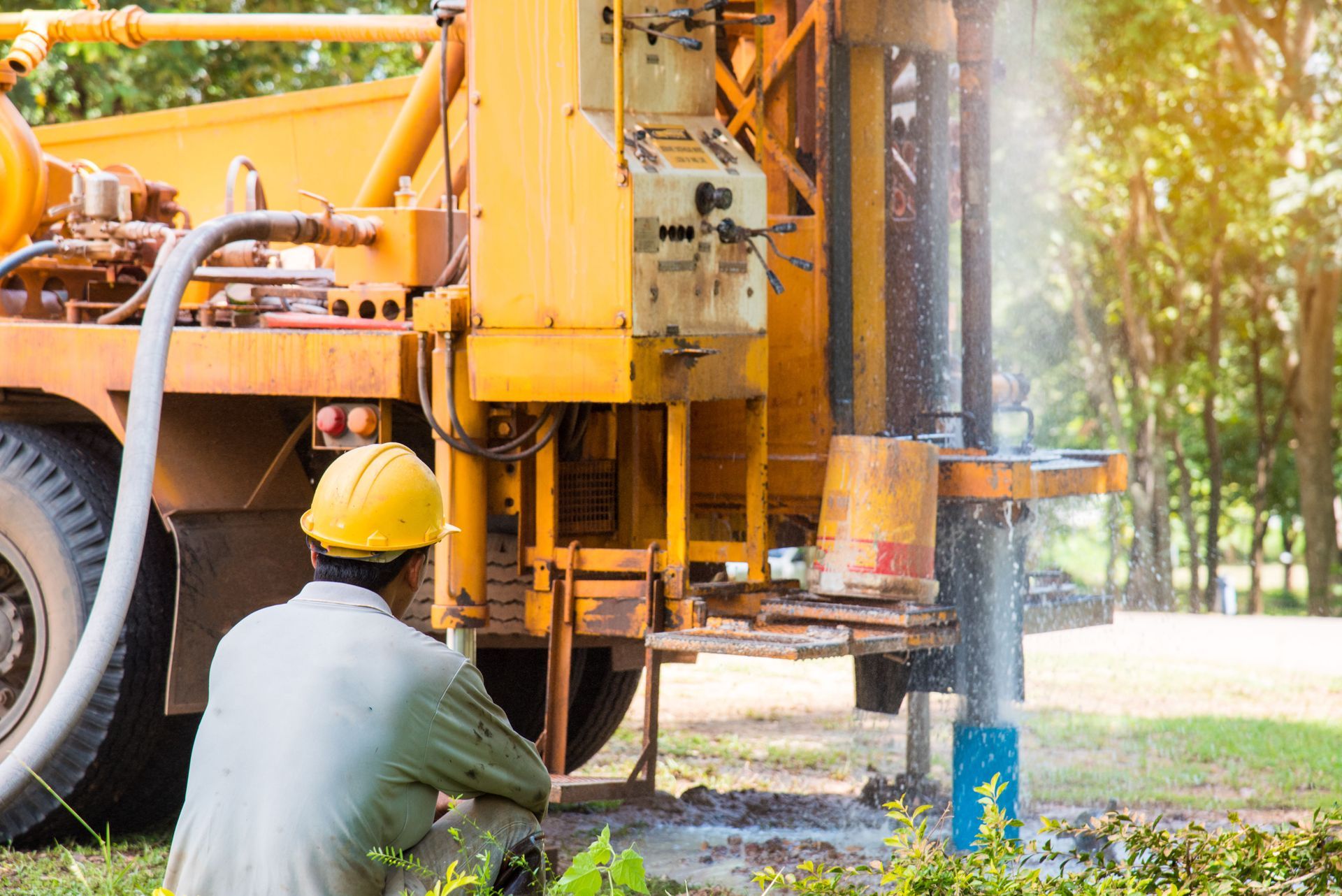
Next, they may review geological maps and historical data to understand subsurface conditions. In some cases, test drilling or soil sampling is performed to confirm the presence and depth of aquifers. These methods allow well contractors to estimate water yield and determine drilling depth requirements.
Modern tools such as geophysical surveys and GPS mapping systems are also commonly used. These technologies help identify underground formations and reduce the risk of drilling in unsuitable locations. By combining scientific data with field experience, well contractors can make highly informed decisions.
Additionally, regulatory compliance is always part of the assessment process. Well contractors ensure that all setback requirements are met and that the proposed site aligns with environmental protection standards. This step is essential to prevent contamination and ensure long-term system reliability.
What Are The Common Challenges In Well Placement?
Despite careful planning, well placement often comes with challenges. One of the most common issues is unpredictable geology. Subsurface conditions can vary dramatically even within small areas, making it difficult to guarantee consistent water access. Well contractors must often adjust plans on-site based on drilling results.
Another challenge involves contamination risks from nearby land use. Agricultural runoff, septic systems, and industrial activity can all threaten groundwater quality if a well is placed too close to these sources. Experienced well contractors mitigate this risk by adhering strictly to setback guidelines and recommending alternative locations when necessary.
Accessibility is also a practical concern. Equipment used in drilling requires adequate space and stable ground conditions. In some cases, steep terrain or dense vegetation can limit access and increase project complexity.
Weather conditions may further complicate installation. Heavy rain or freezing temperatures can delay drilling operations and affect soil stability. Well contractors must often schedule work carefully to avoid seasonal disruptions.
Ultimately, overcoming these challenges requires both technical expertise and adaptability—qualities that experienced well contractors bring to every project.
How Much Does It Cost To Hire Well Contractors?
The cost of hiring well contractors can vary widely depending on several factors, including depth requirements, geological conditions, and regional labor rates. On average, shallow wells may cost significantly less than deep bedrock wells, which require more advanced drilling equipment and longer installation times.
Material costs also contribute to overall pricing. Casing, pumps, and filtration systems can all influence the final expense. In addition, permitting fees and environmental compliance requirements may add to the total project cost.
Well contractors typically provide estimates after conducting a site evaluation. This ensures that pricing reflects actual site conditions rather than generic assumptions. In some cases, unexpected subsurface challenges can increase costs during drilling, which is why contingency planning is often recommended.
Another factor affecting cost is water testing and system design. Well contractors often include these services to ensure the water supply meets safety standards before it is used for household consumption. While these services increase upfront costs, they help prevent expensive issues in the future.
Overall, hiring experienced well contractors is an investment in long-term reliability and water safety.
What Maintenance Is Required After Well Installation?
Once a well is installed, ongoing maintenance is essential to ensure continued performance and water quality. Regular testing is one of the most important tasks, as it helps detect potential contamination or changes in water chemistry. Many well contractors recommend annual water testing as a baseline practice.
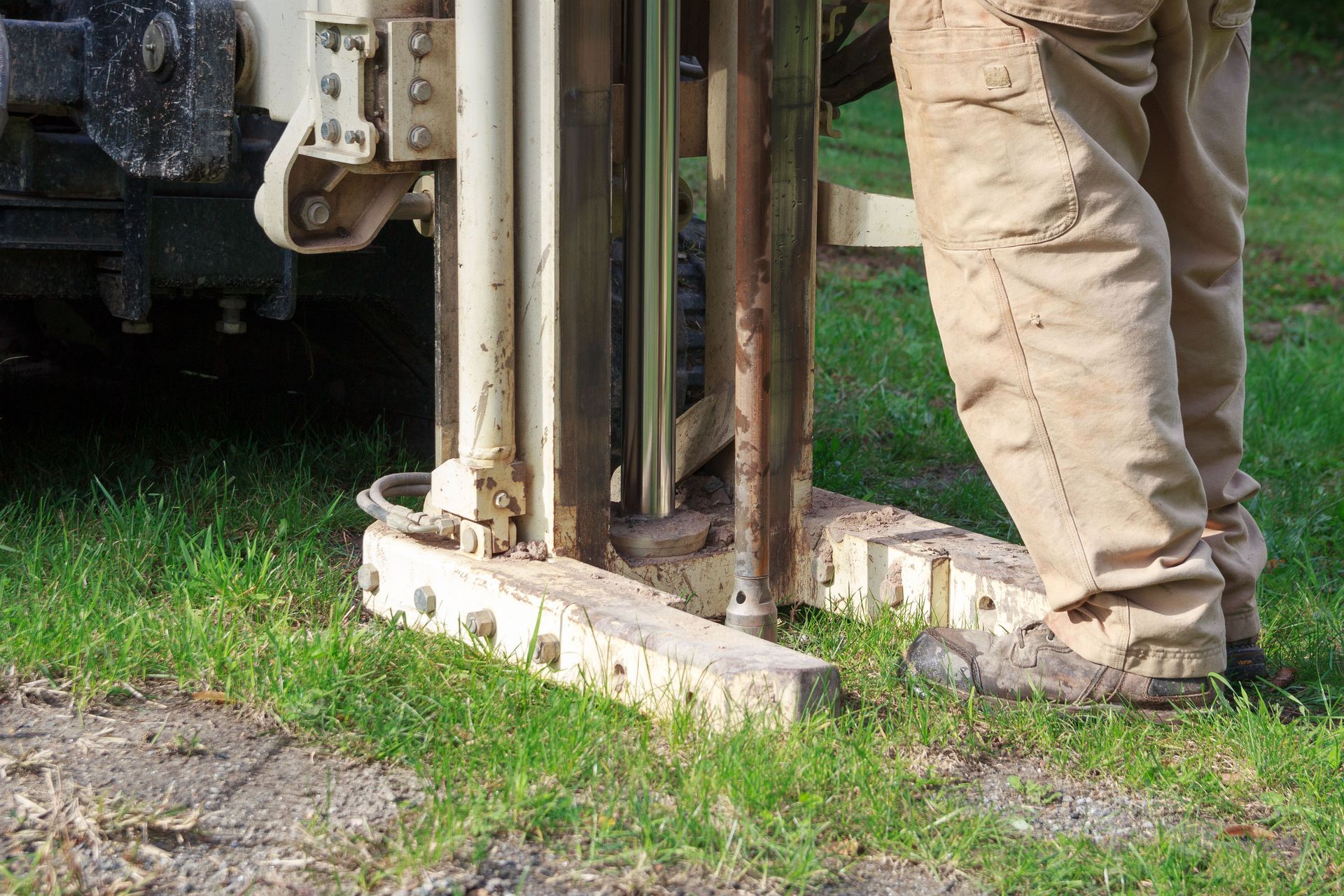
System inspections are also important. Components such as pumps, pressure tanks, and seals should be checked periodically for wear or damage. Well contractors often provide maintenance services or recommend schedules to keep systems operating efficiently.
Protecting the well area is another key responsibility. Surface contamination can occur if debris, chemicals, or runoff enter the wellhead area. Maintaining proper grading and sealing around the well helps reduce these risks.
Well contractors may also advise property owners on seasonal maintenance, particularly in colder climates where freezing conditions can affect system components. Insulation and protective measures can prevent costly damage during winter months.
By following a structured maintenance plan, property owners can significantly extend the lifespan of their well system and maintain consistent water quality.
Proper well placement requires more than simply selecting a convenient location on a property. It involves environmental awareness, regulatory compliance, and technical expertise to ensure long-term water safety and system reliability. From site evaluation to installation and maintenance, each step plays a critical role in overall performance.
Working with experienced
well contractors helps ensure that every aspect of the process is handled correctly, from adhering to setback guidelines to managing geological challenges. Their expertise provides both peace of mind and long-term value for property owners investing in private water systems. If you're looking for a quality well installation, look no further than the dedicated team at DMB Drilling Co Inc today!