April 10, 2026
Understanding the components, processes, and importance of well inspection can help ensure safe and reliable water supply. The maintenance and inspection of wells not only preserve water quality but protect the significant investment property owners have made. Ensuring that well systems operate correctly can safeguard against unforeseen problems that may occur without proper oversight. Therefore, it is pertinent for property owners to have a thorough understanding of well inspection processes.
Understanding Well Inspection
Definition and Purpose of Well Inspection
Well inspection is a systematic process of evaluating various components of a private well to ensure its functionality, safety, and compliance with health standards. The primary goal is to ensure that the water supply remains uncontaminated and free from mechanical issues that could disrupt service. Inspectors are tasked with checking structural soundness, mechanical efficiency, and water quality standards. Regular inspections prevent minor issues from escalating into major, costly repairs. This contributes to the overall safety and reliability of the water source for property owners.
Types of Wells and Inspection Requirements
The specific requirements of well inspections can vary depending on the type of well in question. Common types include bored wells, drilled wells, and driven wells, each with distinct construction methods and materials. Inspection methods must adapt to these types, focusing on unique potential issues such as sediment piling in drilled wells or bacterial contamination in shallow wells. Understanding these requirements and their complexities helps in customizing the inspection process to ensure thoroughness and accuracy. Risk factors and maintenance needs can thus be effectively managed for each well type.
Identifying Qualified Inspectors
Identifying a qualified well inspector is crucial for ensuring thorough and reliable inspections. Property owners should look for inspectors with certifications from recognized bodies such as the Wisconsin Water Well Association. Qualified inspectors bring expertise in assessing the complex components and can often provide valuable maintenance insights. Verifying an inspector's qualifications involves checking their certifications, previous work, and any professional reviews available. Employing a qualified inspector ensures that inspections are completed to the highest standard, safeguarding the property's water supply.
Inspecting Your Well Properly
Equipment Assessment
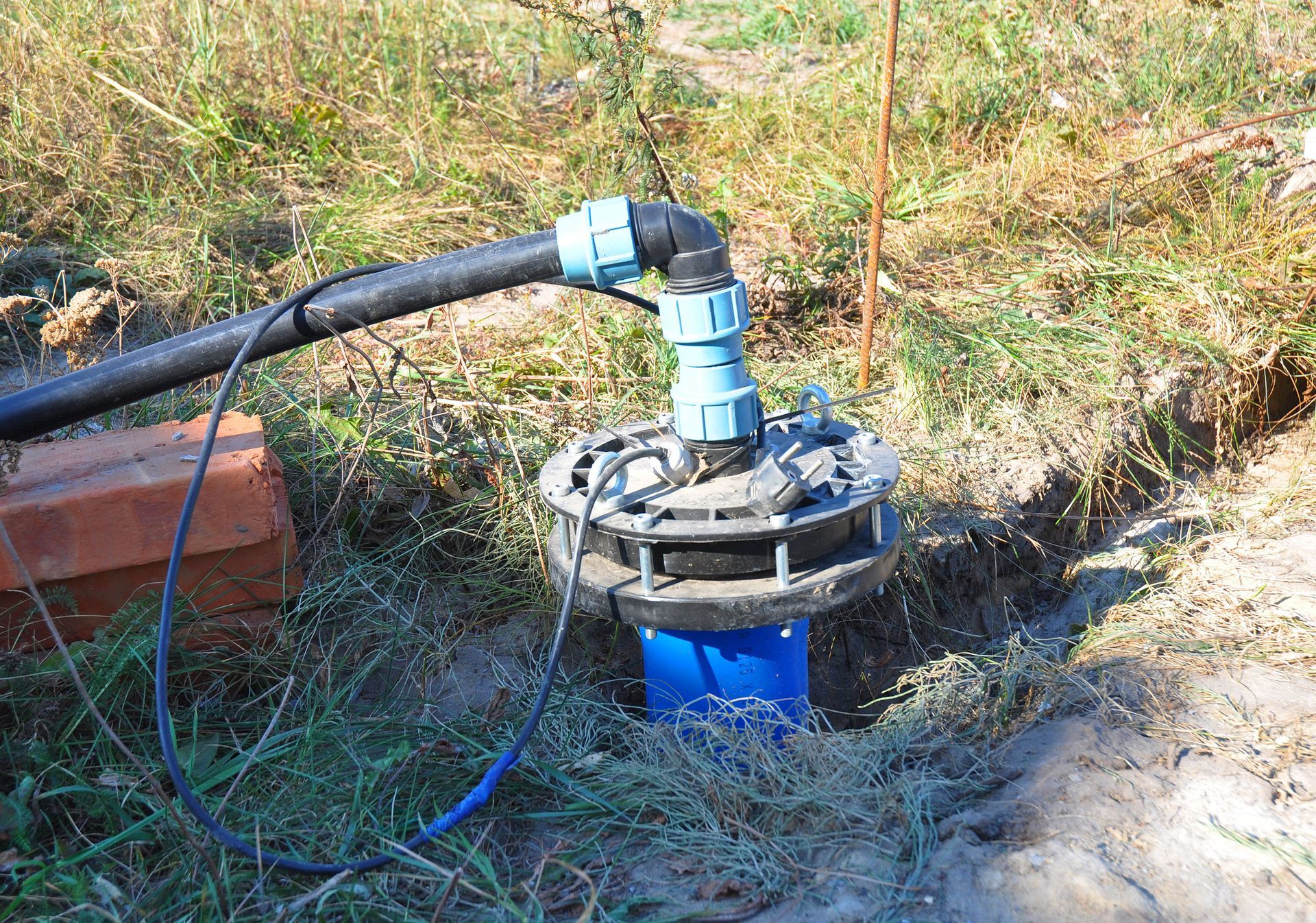
Inspectors begin well inspections by examining equipment to ensure it's in optimal working order. This includes the well pump, pressure tank, and electrical components, checking for any signs of wear, leaks, or other malfunctions. Regular assessments prolong the lifespan of equipment, adhering to industry norms, where well pumps, according to HomeServe, typically last between eight and 15 years. A detailed review helps in scheduling maintenance before equipment failures lead to costly disruptions. Thus, steady inspection is a smart investment in extending the lifespan of the well’s mechanical components.
Condition of the Well Casing
In a well inspection, attention is given to the well casing, which serves as the defensive barrier against contaminants. Inspectors must diligently survey the casing for corrosion, cracks, or defects that might allow surface water and pollutants into the well system. Over time, natural forces can cause casings to degrade, necessitating regular evaluations to prevent potential contamination. The integrity of the casing directly influences the overall health and safety of the well system. Discovering and addressing issues early averts limitation of groundwater quality and reduces maintenance costs.
Pump Performance Testing
Testing pump performance is essential in evaluating the effective water delivery and efficiency of the well system. This involves checking the pump's output, measuring pressure levels, and ensuring that the pump activates and deactivates properly. Fluctuations in pressure or pump malfunctions can lead to inconsistent water supply and increased energy use. Understanding the pump’s current standing allows for proactive actions, such as replacements or repairs, avoiding abrupt water interruptions. Continual testing supports a stable and efficient water supply infrastructure for property owners.
Maintaining Your Well
Preventing Contamination
Routine well maintenance is crucial in preventing contamination and ensuring clean water. Preventative measures, such as regular disinfection and check-ups of seal integrity, reduce bacterial growth and pollutant infiltration. Maintenance schedules sustain equipment function and detect early warning signs of wear that might lead to contamination. Diligent practices avert health risks associated with ingesting contaminated water, promoting a reliable water supply. Thus, well maintenance is an essential aspect of environmental stewardship and public health protection for property owners.
Extending the Life of the Well
Regular maintenance significantly contributes to the longevity and efficacy of a well. Consistent care, including equipment cleaning and timely repairs, can help wells operate efficiently well past their anticipated lifespans. As previously mentioned, well pumps typically last between eight and 15 years, but proactive maintenance can help them reach or exceed this lifespan. By extending the life of the well, property owners can enjoy uninterrupted service and avoid the costs associated with premature replacements. Efficient time management and care routines ensure ongoing operational readiness and investment protection.
Financial Implications of Neglect
The financial costs of neglecting well maintenance can be substantial, emphasized by repair bills, water contamination, and emergency service fees. Deferred maintenance leads to the rapid degradation of components, requiring more frequent replacements and system overhauls. These issues often come unexpectedly, forcing property owners to respond with costly immediate repairs. Routine maintenance, while incurring regular costs, presents a more predictable and affordable approach to well management. Ultimately, investing in maintenance serves as a preventive financial strategy, buffering against larger, more expensive issues arising from neglect.
Identifying and Solving Common Well Problems
Iron and Manganese Staining
Iron and manganese deposits frequently present unique issues for private well owners, manifesting as discolored water or stubborn stains on fixtures. These minerals are naturally occurring in groundwater and, without treatment, can stain plumbing, laundry, and sinks. To resolve staining, property owners often employ water treatment systems such as ion exchange or oxidation filters. Regular monitoring and maintenance of these systems can prevent mineral build-up and ensure water purity. Addressing mineral staining promptly avoids long-term damage and enhances the aesthetic quality of water.
Dealing With Hard Water
Hard water is a common issue among many well systems, resulting from high mineral content, notably calcium and magnesium. This often results in scaling on fixtures, reduced soap efficiency, and potential buildup in plumbing. Options for managing hard water include installing water softeners, which can significantly reduce mineral content. Homeowners may periodically check and maintain softeners to optimize their performance and lifespan. Managing hard water mitigates plumbing issues and improves day-to-day water usage efficiency, maintaining household hygiene and system proficiency.
Addressing Poor Water Pressure
Poor water pressure can be an indicator of underlying issues within the well system, from equipment malfunction to sediment clogging. Inspectors can assess pump functionality, check for leaks or blockages, and evaluate pressure tank performance to identify pressure-related problems. Timely intervention ensures that property owners do not experience disruptions or the need for extensive system repairs. Addressing low water pressure swiftly can restore consistent water supply and prevent potential damage to the system infrastructure. A proactive approach ensures optimal system performance and satisfaction in water utility.
By understanding the components of inspections and recognizing the importance of routine maintenance, property owners safeguard their water resources. Proactive management through strategic planning, regulation adherence, and informed provider selection ensures robust water systems, enhancing their quality and reliability. Overall, diligent well stewardship highlights the responsibility property owners have in managing natural resources and securing healthcare safeguards. Fully committing to well inspection and maintenance yields durable outcomes for abundance and safety in private water systems. Contact DMB Drilling Co Inc for more information today!