March 18, 2026
Access to a dependable water supply remains one of the most important considerations for homeowners living outside municipal service areas. Private wells give households greater independence and provide a direct connection to local groundwater sources that have supported communities for generations. Because of this, many property owners explore residential well drilling when building a new home or upgrading an existing water system. While the idea of having a private well can be appealing, the process behind it involves a series of technical steps that require careful planning and specialized equipment. From selecting the right drilling location to navigating local regulations, each phase presents challenges that must be addressed before a well begins delivering water to a home.
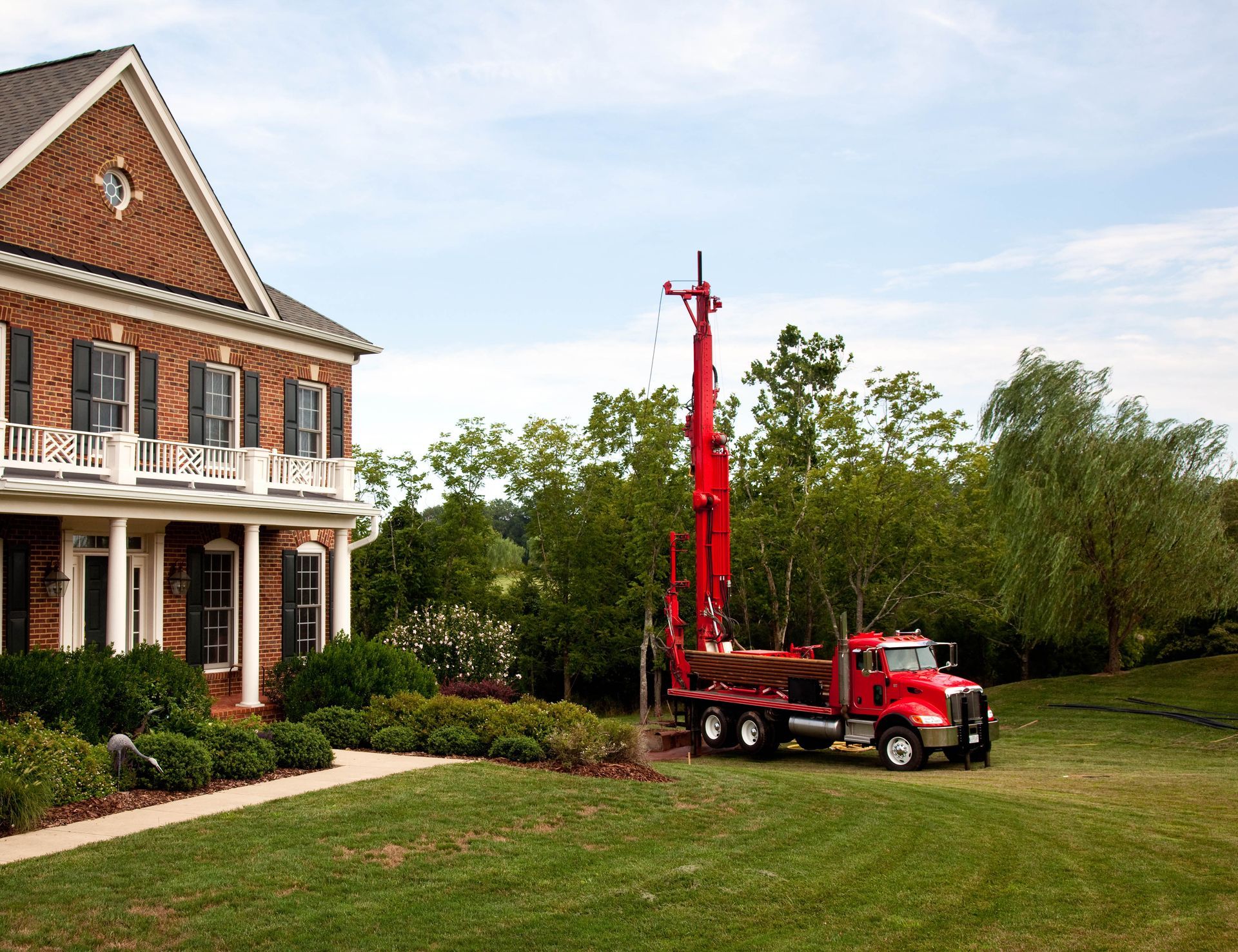
Professionals who work in residential well drilling projects encounter these challenges regularly and bring the equipment, planning strategies, and technical knowledge required to address them. Their role often includes evaluating geological conditions, coordinating permit requirements, and adapting drilling techniques to changing underground formations. These projects are rarely simple because groundwater conditions vary widely from one property to another. By understanding the most common obstacles involved in residential well drilling, homeowners gain a clearer picture of why professional crews play such a significant role in creating a reliable well system that can support a household for decades.
1. Selecting the Right Location for the Well
Choosing the correct location is one of the first and most influential steps in residential well drilling. The position of a well affects not only how much water it can produce but also how safe that water will be over time. Professionals typically begin with geological assessments that analyze soil layers, rock formations, and groundwater movement beneath the property. These studies help identify aquifers capable of supplying consistent water flow. According to Home Guide, most residential water wells range from 100 to 300 feet in depth, based on local groundwater conditions. This range highlights how dramatically drilling depth can vary depending on the surrounding geology and the location of underground water sources.
Beyond geological factors, property boundaries and surface conditions also play a role in deciding where drilling should occur. Placing a well too close to neighboring property lines or structures can create logistical problems during installation and future maintenance. Drilling contractors frequently work with survey information to confirm accurate boundaries before any drilling begins. They also evaluate the terrain, access routes for heavy equipment, and potential obstacles that could slow the project. These early evaluations allow drilling crews to select a location that balances groundwater access with practical considerations on the surface.
Another critical factor in site selection involves maintaining a proper distance from possible contamination sources. Septic systems, livestock areas, agricultural runoff zones, and industrial sites all present risks to groundwater quality. During residential well drilling, professionals analyze nearby land use and groundwater flow patterns to position the well in a safer location. Proper well placement protects drinking water while reducing the likelihood of expensive remediation later. Through careful planning and field evaluation, drilling teams identify locations that support both productivity and long-term water quality.
2. Managing Regulatory Compliance and Permitting
Local regulations represent another challenge commonly encountered during residential well drilling projects. Government agencies often establish detailed rules governing how wells are constructed, where they can be located, and how groundwater resources are managed. These regulations exist to protect shared water resources and prevent contamination or overuse. Homeowners who attempt to navigate these requirements alone may find the process confusing because rules can vary widely between counties and states. Professional drilling contractors typically stay informed about these regulations and integrate them into the planning process from the beginning.
Zoning restrictions and land-use rules can also affect where wells may be placed on a property. Some areas require minimum distances between wells and property lines, buildings, or environmental features such as wetlands. In certain cases, zoning boards may request additional documentation or site evaluations before approving a project. Professionals involved in residential well drilling often coordinate with local officials, surveyors, and environmental specialists to address these requirements. This coordination helps prevent project delays that could arise from incomplete paperwork or improper well placement.
Health department approvals form another important step before drilling begins. Local health authorities frequently review well plans to confirm that drinking water systems meet safety standards. These reviews may include guidelines for casing materials, well depth, sealing methods, and water testing procedures after installation. Once construction is complete, additional inspections or water quality tests may occur to verify that the well meets established standards. With experienced crews managing these steps, homeowners benefit from a smoother process that aligns with regulatory expectations while keeping the project moving forward.
3. Addressing Equipment and Geological Challenges
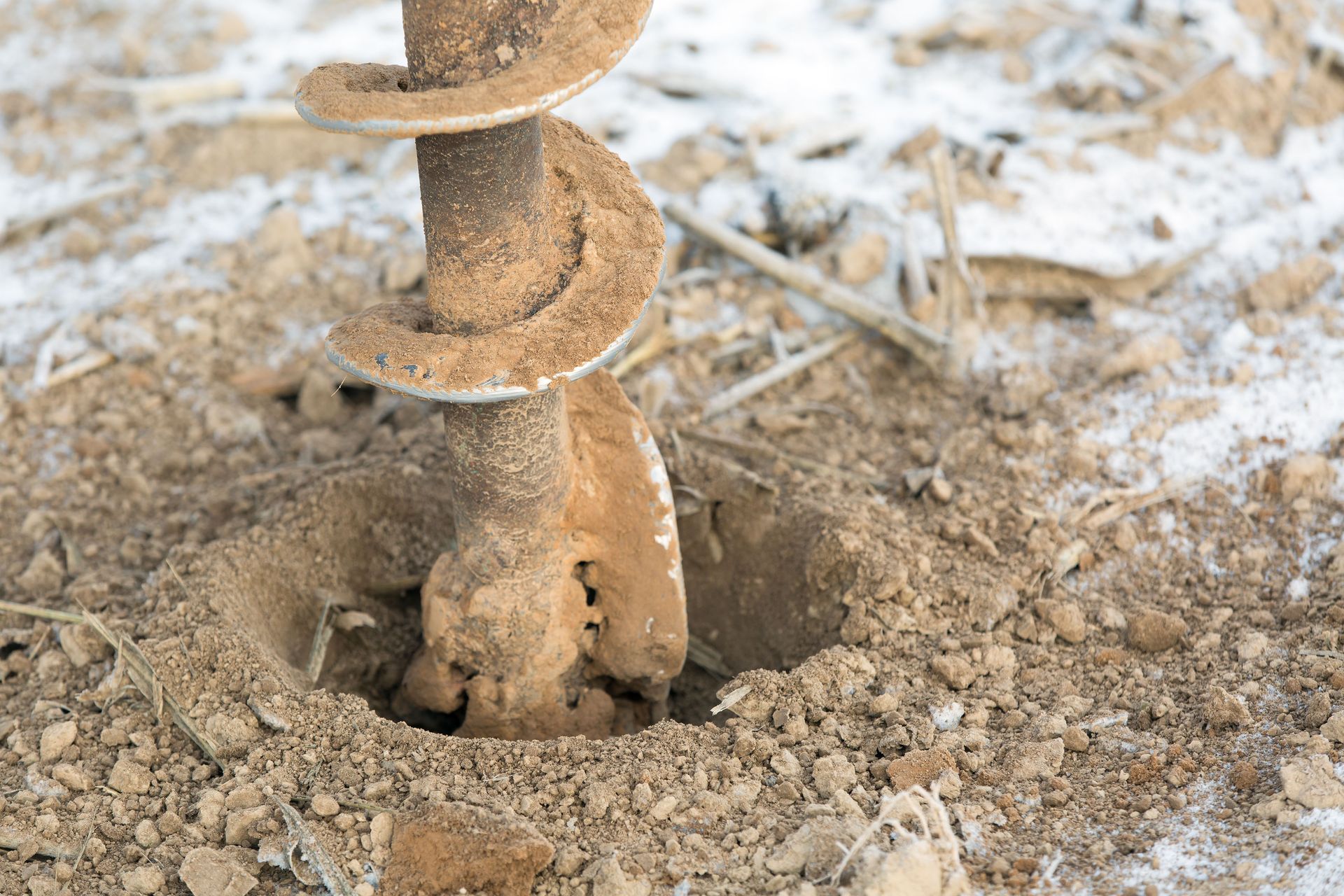
The equipment used in residential well drilling must match the geological conditions present beneath a property. Drilling through layers of sand, clay, gravel, and solid rock often requires different tools and techniques. Professional crews arrive with drilling rigs designed to adapt to these conditions, along with specialized drill bits capable of cutting through varying materials. Without this equipment and the knowledge required to operate it, drilling could stall when unexpected formations appear underground. Experienced crews monitor progress carefully and adjust their approach as subsurface conditions change.
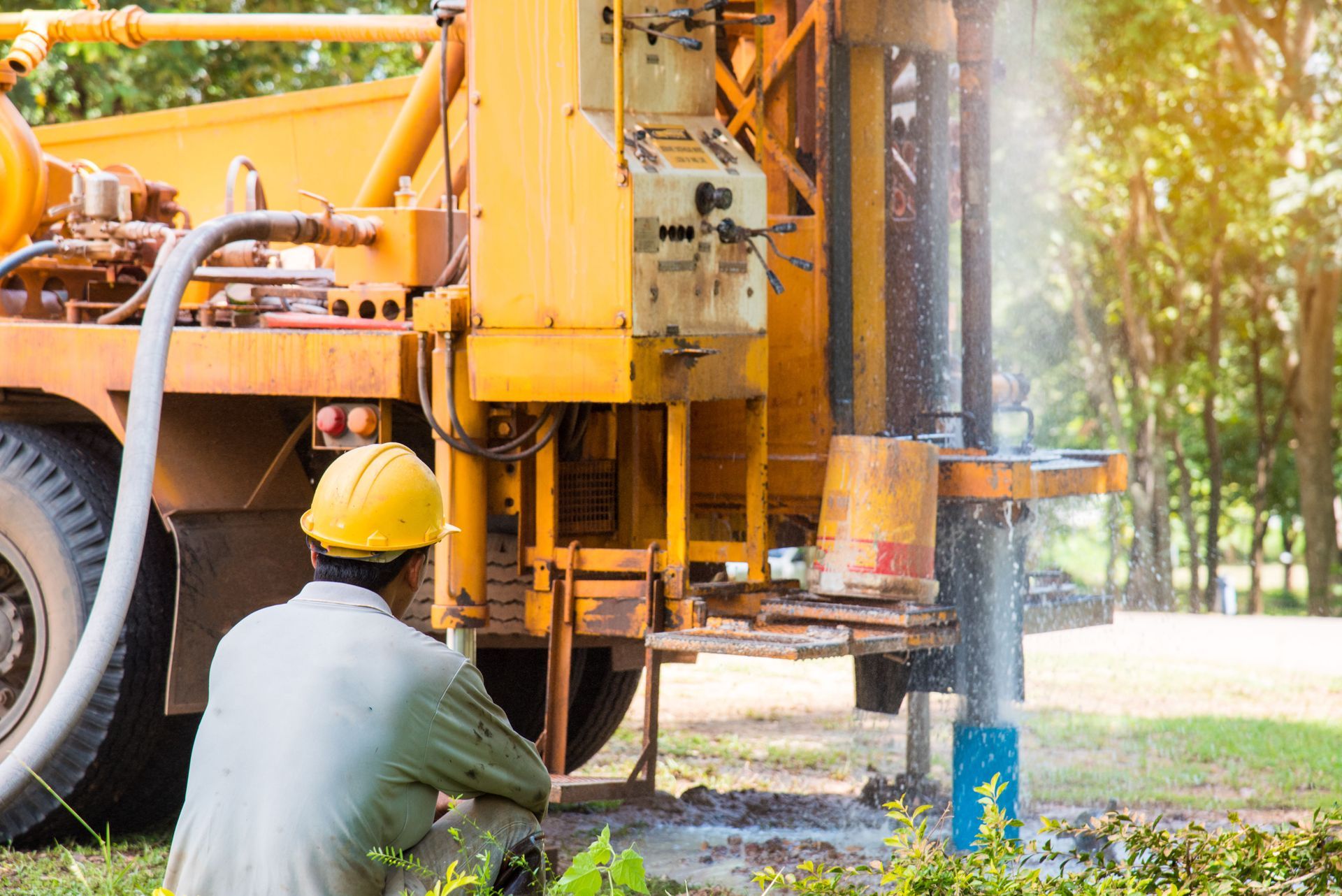
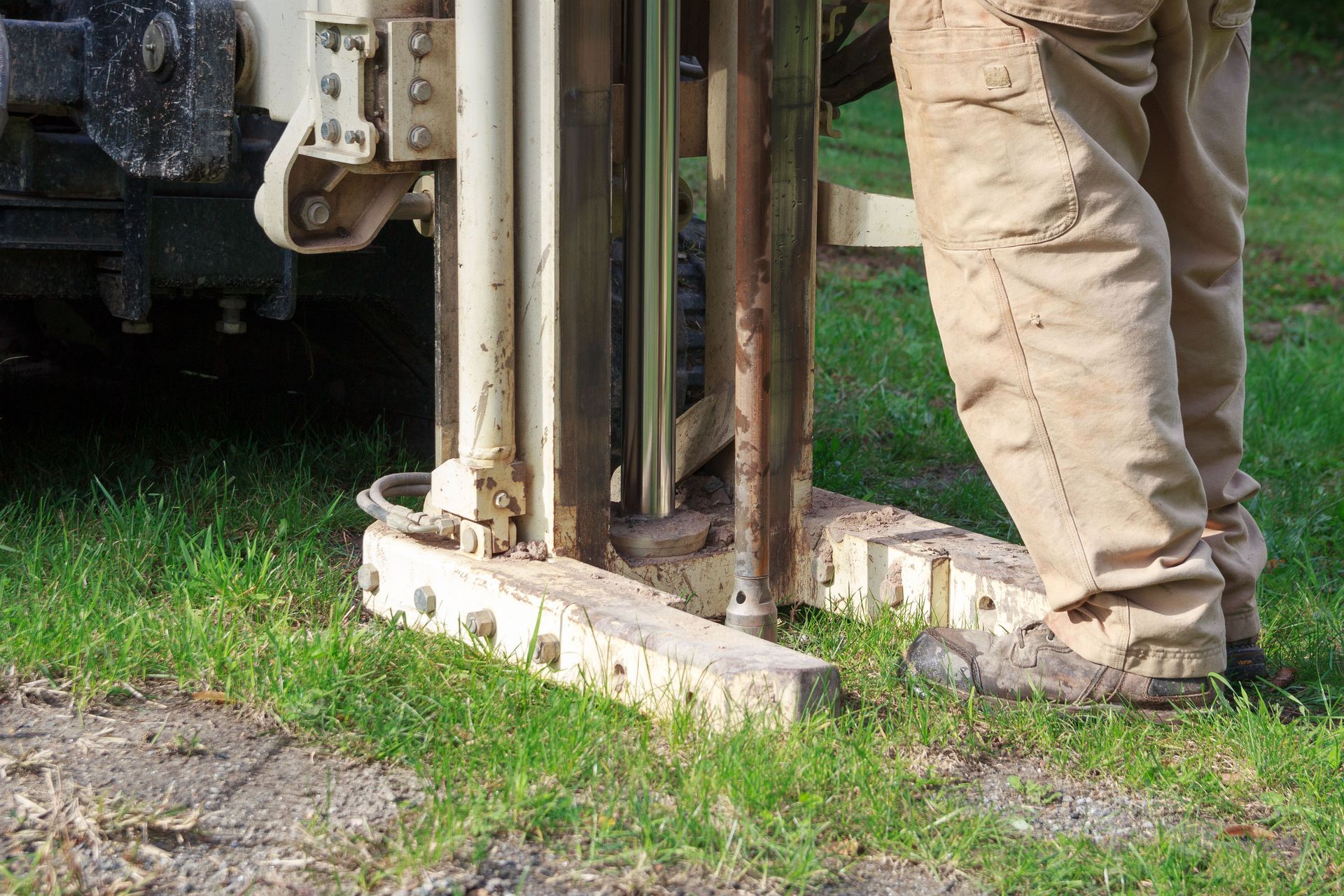
Mechanical issues represent another challenge that can arise during drilling projects. Large drilling rigs operate under significant pressure and must function reliably throughout the project. Routine maintenance, equipment inspections, and access to replacement components allow crews to address mechanical issues quickly if they occur. Teams experienced in residential well drilling often prepare contingency plans so that minor mechanical problems do not bring the entire project to a halt. This preparation allows drilling work to continue with minimal disruption while maintaining safe operating conditions for everyone on site.
Geological variability also requires flexibility during drilling operations. Some properties contain dense rock layers that slow progress, while others include loose soils that require additional stabilization techniques. Drilling crews frequently evaluate soil samples and drilling feedback in real time to determine whether adjustments are necessary. New drilling technologies and improved monitoring systems have also made it easier to track depth, pressure, and drilling performance. These innovations help professionals adapt their methods as conditions change, allowing residential well drilling projects to continue moving forward even when the underground environment presents unexpected obstacles.
Drilling a private well may appear straightforward from the surface, but the process involves numerous technical considerations beneath the ground. Site selection, regulatory compliance, and equipment challenges all influence whether a well will deliver consistent water for years to come. Through detailed geological assessments and careful planning, professionals in residential well drilling address these obstacles before they become major setbacks. Their work involves coordinating permits, evaluating environmental conditions, and selecting equipment capable of handling the specific geological features of a property.
When these challenges are managed effectively, homeowners gain access to a dependable water source that supports daily life and long-term property value. Partnering with a professional team for
residential well drilling allows property owners to approach the project with greater confidence, knowing that each stage is handled with the proper tools and planning. If you are considering a private well for your property, connect with a qualified drilling professional at DMB Drilling Co Inc to discuss site evaluations, permitting requirements, and the steps involved in creating a reliable residential water system.