June 15, 2026
Access to a clean, consistent source of fresh water is one of the most fundamental requirements for any property. Whether you are developing a piece of rural land, building a new custom home, or managing an expansive agricultural enterprise, your water supply dictates the ultimate viability and comfort of your site. In many areas outside major metropolitan boundaries, municipal water hookups are simply not a realistic option. When public infrastructure falls short, property owners must look underground to unlock the reliable resources beneath their feet—a task that requires specialized technical knowledge. Engaging a certified water well driller ensures that your property receives a long-term, structurally sound connection to safe subterranean aquifers.
The entire process of transforming raw earth into a fully operational residential or commercial water system involves far more than simply digging a hole into the dirt. Modern drilling demands an intricate knowledge of local geological formations, hydrological behavior, and strict environmental safety regulations designed to protect vulnerable public resources. A qualified water well driller must possess the deep regional expertise required to navigate varying subsurface strata, ranging from shifting sand and gravel to dense granitic bedrock. By choosing an experienced, locally rooted contractor, you protect your initial financial investment and set up a system designed to deliver clear water for decades to come.
The Critical Benefits of Owning a Private Water Well
Investing in a private well system brings a profound sense of self-reliance and long-term financial security that municipal water customers rarely experience. When you draw water directly from your own property, you completely eliminate the unpredictable monthly utility bills that inevitably rise over time due to municipal infrastructure maintenance and political budgeting. This long-term cost stability allows homeowners and agricultural operations to plan their annual utility expenditures with absolute precision and peace of mind. Additionally, private well owners are insulated from community-wide water restrictions, allowing them to maintain beautiful landscaping or sustain complex agricultural operations even during regional dry spells.
Beyond the obvious financial and operational freedoms, the overall quality and natural taste of fresh well water far outshines heavily processed municipal alternatives. Public treatment systems rely heavily on chemical additives like chlorine and chloramine to disinfect water as it travels through aging city pipe networks, which can negatively alter the taste and smell. In contrast, natural well water is thoroughly filtered by layers of earth and stone, preserving essential trace minerals that contribute to a crisp, refreshing flavor profile. According to NGWAS, more than 43 million Americans rely on private water wells for their drinking water. This massive figure highlights just how trusted and viable private wells remain across the country as a primary source of high-quality household water.
The Complex Process of Modern Well Construction
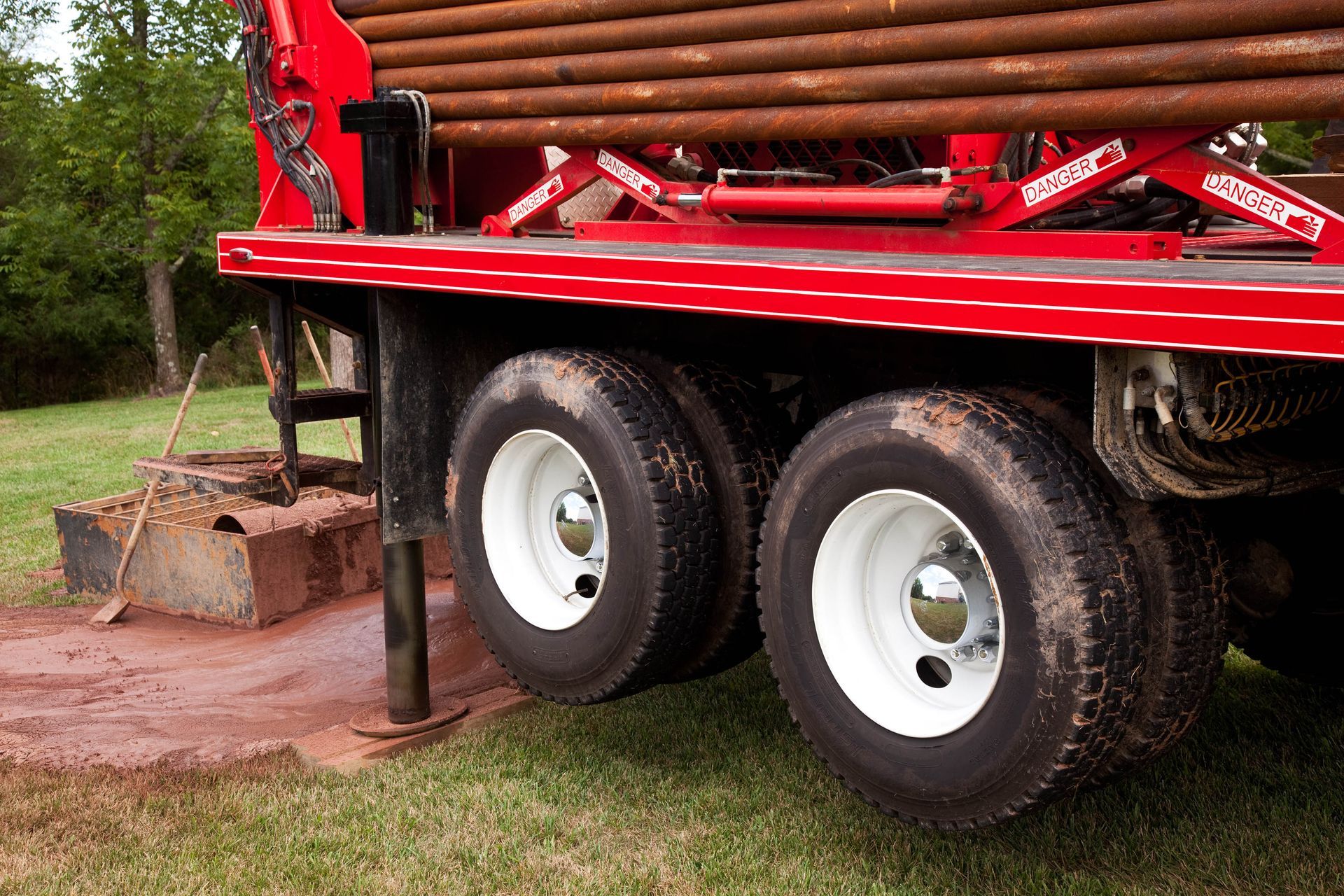
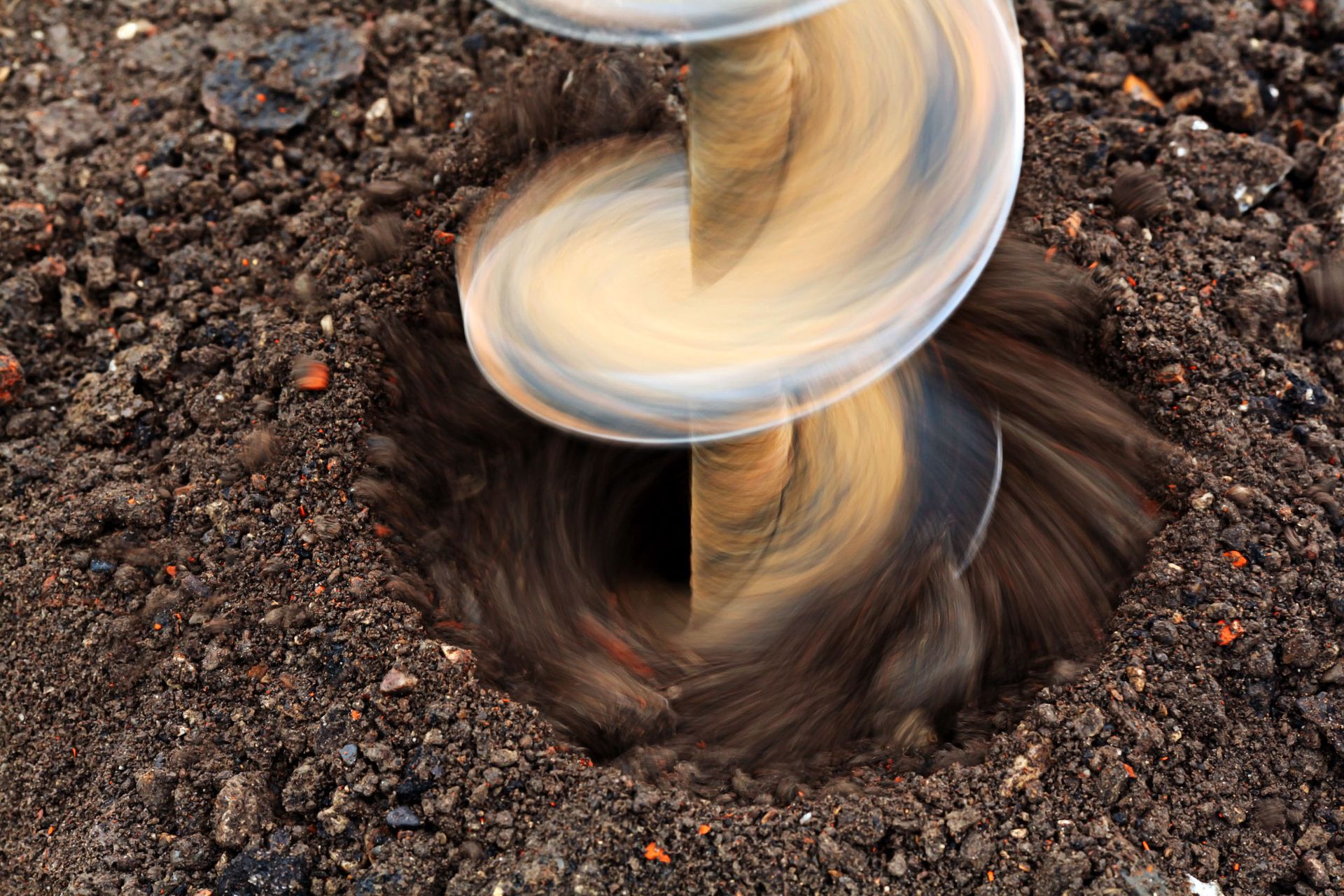
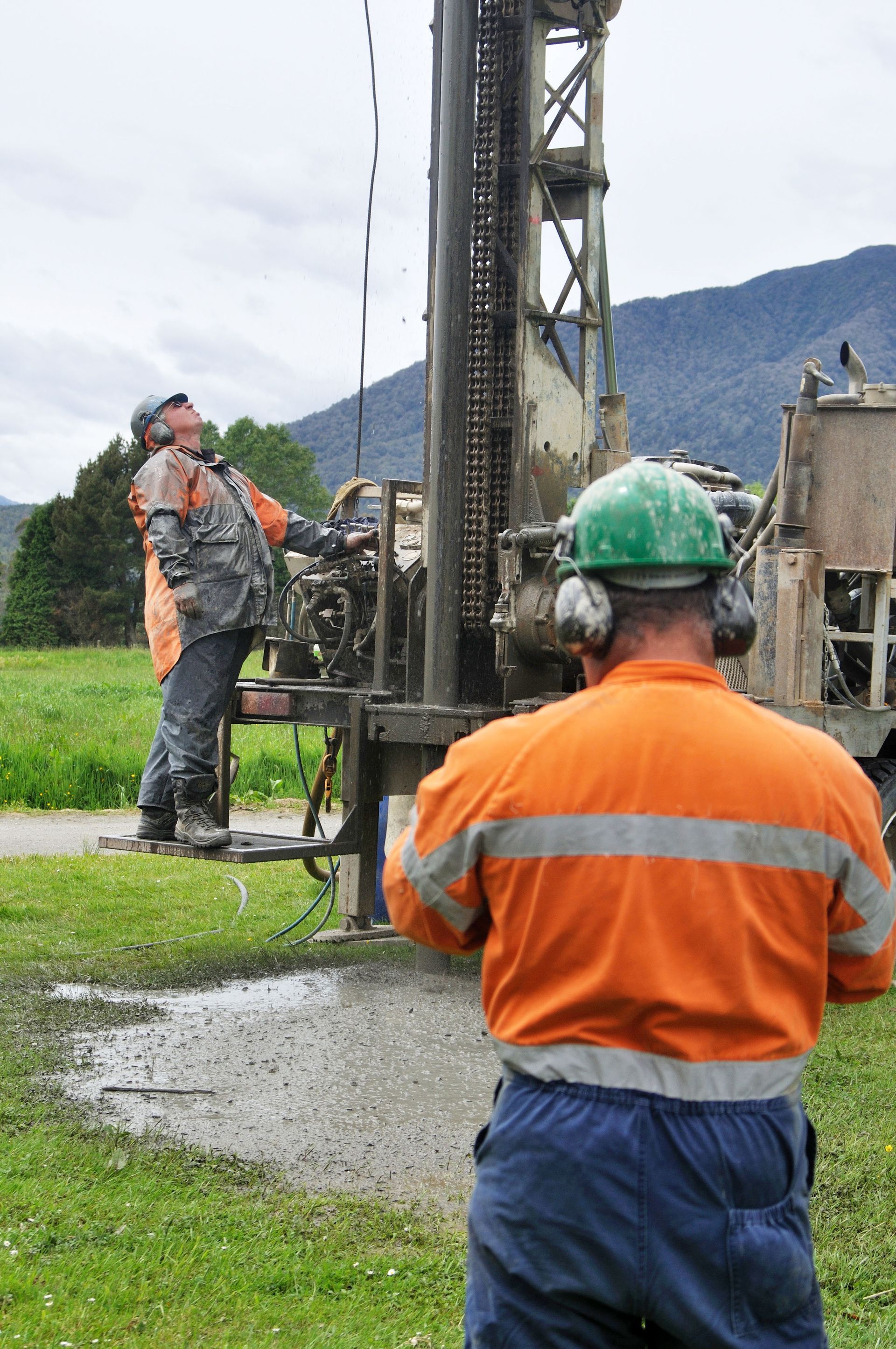
Developing a reliable water source requires a systematic approach that blends scientific analysis with heavy industrial machinery. The journey begins with comprehensive site assessment and planning, during which professionals carefully study regional water tables and identify potential sources of surface contamination. It is essential to map out appropriate setbacks from septic systems, livestock areas, and property lines before any machinery is mobilized to the site. Once the ideal location is safely established, a professional water well driller uses specialized truck-mounted drilling rigs to bore deep into the ground until they successfully intersect a productive, high-yielding aquifer.
As the borehole progresses down through the earth, the team installs durable steel or heavy-duty PVC casing to line the shaft and prevent the surrounding walls from collapsing inward. This casing serves a dual-purpose role by also sealing out shallow, poor-quality groundwater that could carry surface contaminants or agricultural runoff into your drinking supply. After reaching the targeted depth, the lower section is fitted with a specialized well screen designed to let water flow freely into the well while blocking out fine sand and particulate debris. Finally, a high-quality grout mixture is pumped into the space surrounding the upper casing, creating an impenetrable sanitary seal against surface moisture infiltration.
Selecting the Ideal Pump and Pressure System
Once the structural well shaft is securely completed and thoroughly flushed of drilling debris, the focus shifts to selecting and installing the right mechanical components to bring the water up to the surface. The heart of this delivery system is the submersible pump, which must be precisely matched to both the overall depth of your well and the specific daily water demands of your household or commercial operations. Installing a pump that is underpowered will result in frustratingly weak water pressure throughout your home, while an oversized pump can rapidly drain the well and suffer premature mechanical failure from frequent on-and-off cycling. An expert water well driller will accurately calculate the optimal horsepower and flow rate required to deliver perfectly balanced water pressure to every fixture on your property.
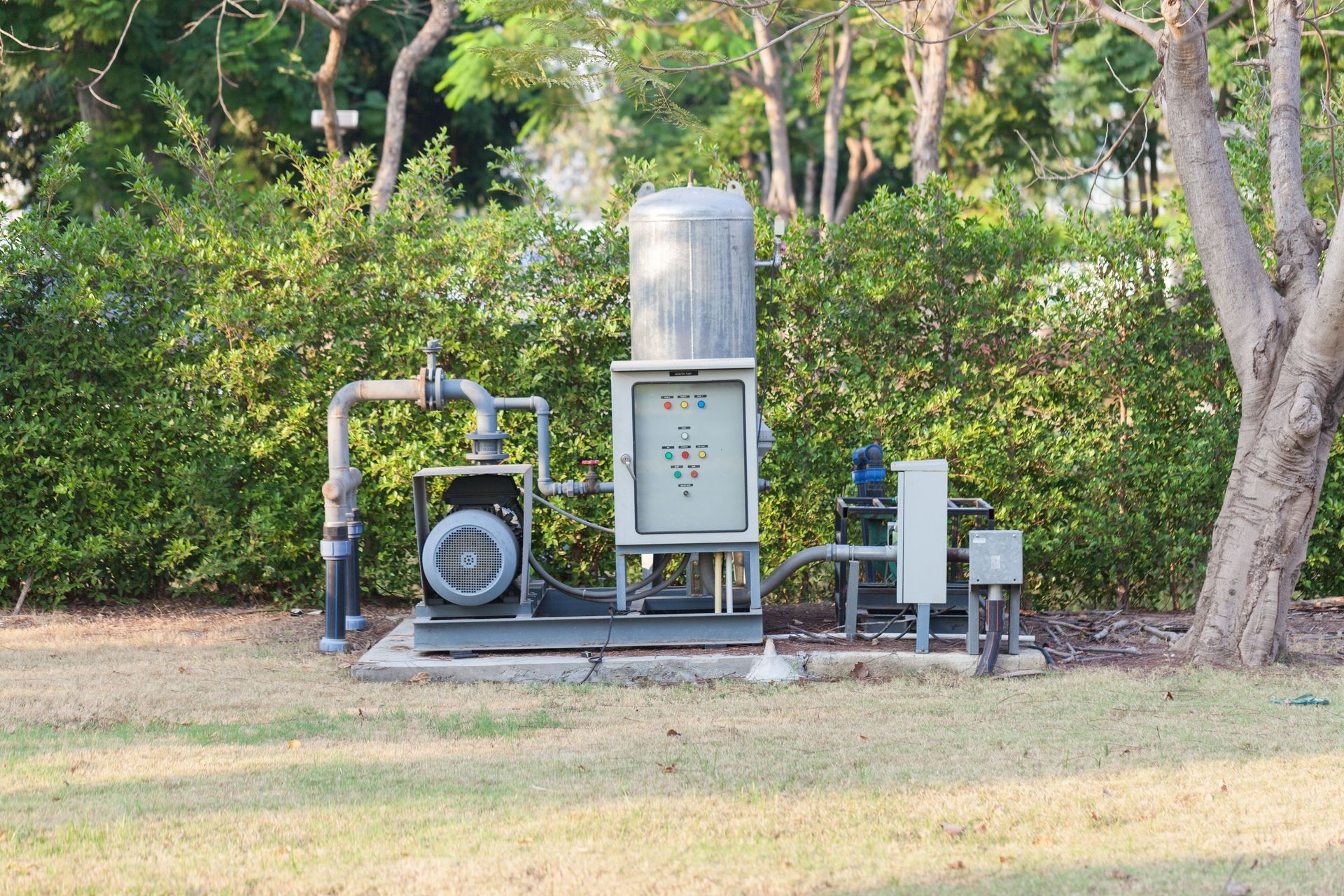
In addition to the submersible pump itself, a modern well installation requires a heavy-duty pressure tank to regulate your home's water delivery smoothly and efficiently. The pressure tank maintains a constant reserve of pressurized water, ensuring that your pump does not have to turn on every single time someone turns on a faucet to wash their hands. This setup drastically reduces mechanical wear and tear on the electrical components, extending the operational lifespan of your entire pump system. For properties with highly variable water needs, advanced variable-frequency drive systems can be integrated to adjust pump speeds dynamically based on real-time usage.
Navigating Crucial Local Regulations and Compliance Standards
Every successful well construction project must operate in strict compliance with state and local environmental health regulations. These strict laws are put in place to prevent the accidental contamination of precious underground aquifers, which could jeopardize the health of neighboring properties and local ecosystems. Licensed contractors understand how to secure the necessary drilling permits, document formal well logs, and ensure that all construction materials meet stringent safety standards. Attempting to bypass these legal channels can result in heavy government fines, expensive remediation orders, and the potential closure of an unpermitted water system.
Furthermore, standard lending institutions typically require official documentation of a well's water quality and flow rate before they will approve mortgages or construction loans for a property. A professional water well driller handles all the essential yield testing, verifying that the well can consistently produce a sufficient number of gallons per minute to support daily household functions. They also assist in collecting sterile water samples for certified laboratory analysis, screening for potential contaminants such as bacteria, nitrates, heavy metals, and regional minerals. Having these certified test results on file protects your family's health and provides ironclad documentation that enhances the market value of your real estate investment.
Long-Term Maintenance Strategies for Well Longevity
While a professionally constructed well is built to endure for decades, it still requires basic periodic attention and preventative maintenance to ensure peak performance. Homeowners should make it a regular habit to inspect the visible wellhead above the ground, checking to ensure that the protective sanitary cap remains tightly secured and free of structural cracks. It is also wise to maintain a clean, clear zone of at least fifty feet around the wellhead, keeping it completely free of harsh fertilizers, pesticides, household chemicals, and pet waste. Taking these simple preventative steps minimizes the risk of hazardous substances washing down the exterior of the casing during heavy rainstorms.
Securing a reliable, independent water source is one of the most impactful investments you can make for the long-term value, functionality, and sustainability of your property. By partnering with a qualified professional, you ensure that every phase of the drilling process—from initial geological assessments to final system calibration—is executed with technical precision and in full compliance with environmental safety standards. This foundational expertise guarantees a structurally sound well that protects your family's health and delivers crisp, naturally filtered water for decades to come.