January 14, 2026
Drilling a water well is more than just a technical task—it requires careful planning, adherence to established standards, and a thoughtful approach to ensure that the resulting water source is safe, sustainable, and reliable. Whether for residential, agricultural, or community purposes, a well is a vital resource, and its construction must consider environmental, technical, and social factors. By following recognized standards, stakeholders can ensure that the well provides a dependable water supply while minimizing risks to the environment and community.
Selecting and Assessing a Site
Selecting and assessing the proper site is the foundation of a successful water well project. The right location can determine the efficiency, safety, and long-term viability of the well. A professional local well driller typically evaluates multiple factors when assessing a site. Geological surveys are essential to understand subsurface formations, soil composition, and rock structures. These surveys help anticipate drilling challenges and identify areas where water is most likely to be accessible.
Evaluating water table levels is equally critical. Knowing the depth at which groundwater can be reliably accessed informs decisions about well depth and storage capacity. According to NHDES, a standard 6-inch diameter drilled well can store 1½ gallons of water per foot of well depth, emphasizing the importance of accurately assessing available groundwater. Seasonal variations, rainfall patterns, and potential drought periods should also be considered to ensure water availability year-round.
Legal considerations, such as land ownership and zoning regulations, are another important aspect of site selection. Permissions and clear documentation prevent disputes and ensure compliance with local regulations. Community engagement is also valuable during this stage, allowing residents or stakeholders to express concerns and preferences. This collaborative approach helps ensure that the well meets practical needs while gaining support from those who will rely on it. Additionally, environmental factors such as proximity to potential pollution sources or sensitive ecosystems must be considered to avoid contamination and ecological disruption.
Planning and Designing the Well
Effective planning and design are central to the long-term success of a water well. Decisions regarding well depth, diameter, and placement affect both the volume of water stored and the efficiency of water extraction. A local well driller provides expertise in evaluating geological and hydrological data to recommend well dimensions that optimize water flow and structural stability.
Planning also involves selecting the appropriate drilling method. Different drilling technologies, such as rotary, percussion, or cable-tool techniques, are better suited to specific geological conditions. Choosing the right method ensures efficient drilling and reduces the likelihood of operational setbacks. Additionally, the selection of materials for casing, seals, and other components affects the durability and safety of the well. High-quality, corrosion-resistant materials extend the well’s lifespan and protect water quality.
Resource planning, including budgeting, labor allocation, and scheduling, ensures that the project proceeds smoothly. A well-thought-out schedule accounts for seasonal changes, supply availability, and the coordination of equipment and personnel. When each step of the design and planning process is carefully considered, the resulting well is more likely to meet both current and future water demands reliably. Proper planning also allows room for innovation, such as adopting newer methods for monitoring water levels and quality, which can enhance long-term sustainability.
Complying with Regulations
Compliance with local, state, and federal regulations is non-negotiable in water well construction. Obtaining permits, meeting licensing requirements, and following health and safety protocols are essential to protect both the community and the environment. A local well driller experienced in regulatory compliance can guide stakeholders through these requirements, ensuring that all documentation is complete and inspections are properly scheduled.
Health and safety regulations are particularly important during the construction phase. Proper protocols minimize risks to workers and prevent accidents that could delay the project. Environmental regulations also ensure that the surrounding ecosystem is not adversely affected, particularly in areas with sensitive habitats or protected species. Consistent compliance demonstrates responsibility, builds trust with local authorities, and ensures the long-term sustainability of the well. Moreover, understanding regulatory frameworks allows stakeholders to anticipate potential challenges and make adjustments early, preventing costly delays or fines later in the project.
Conducting Drilling Operations
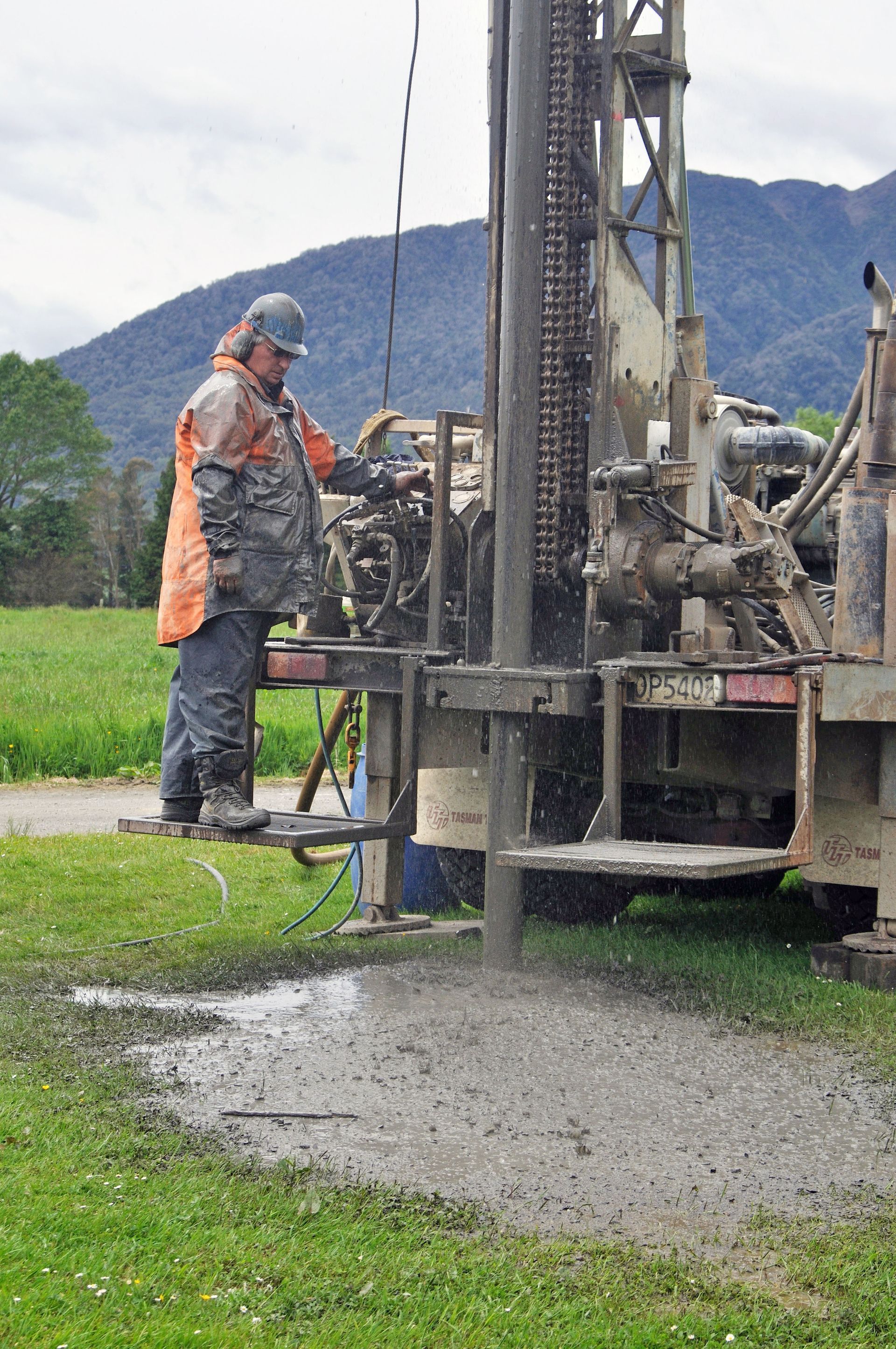
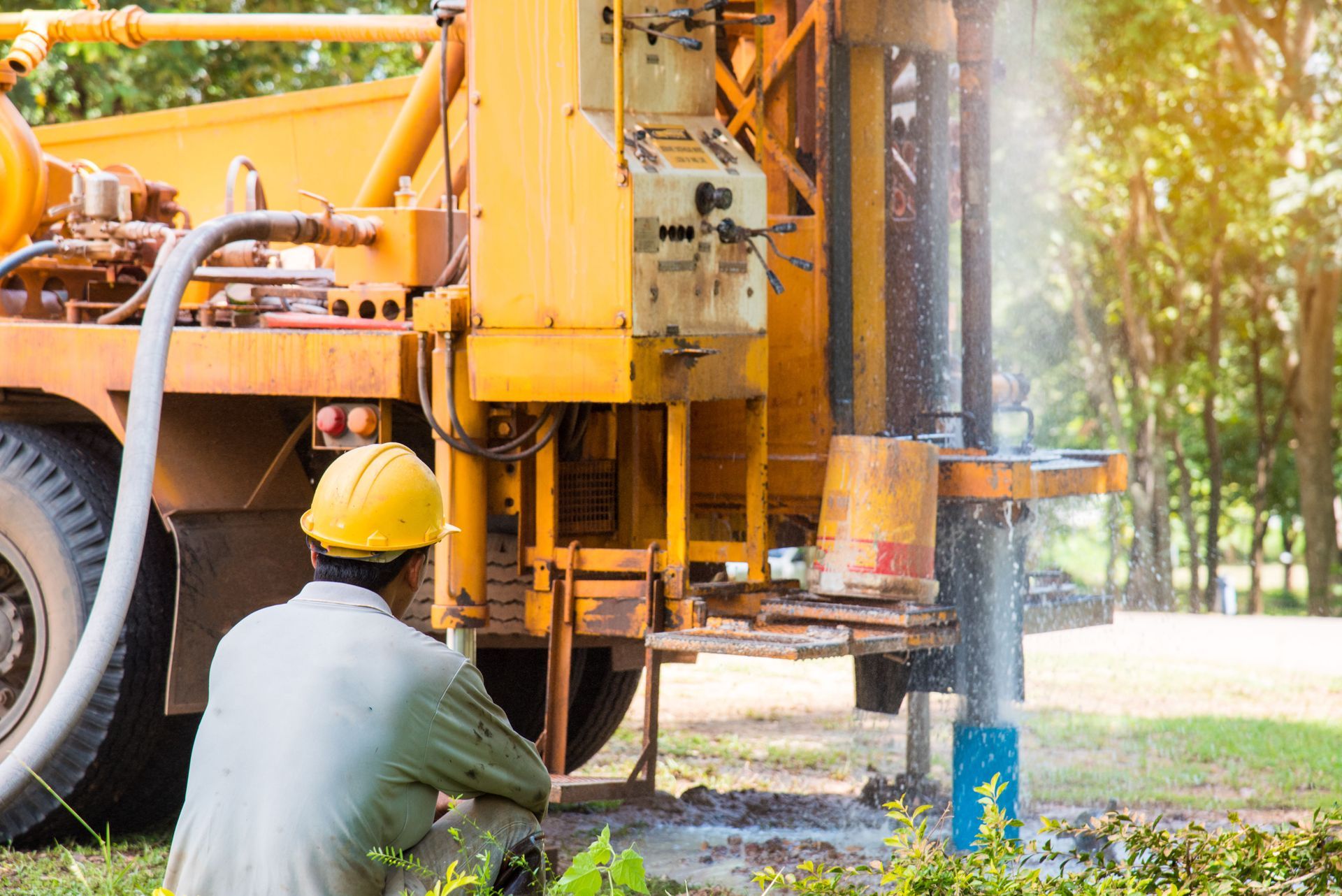
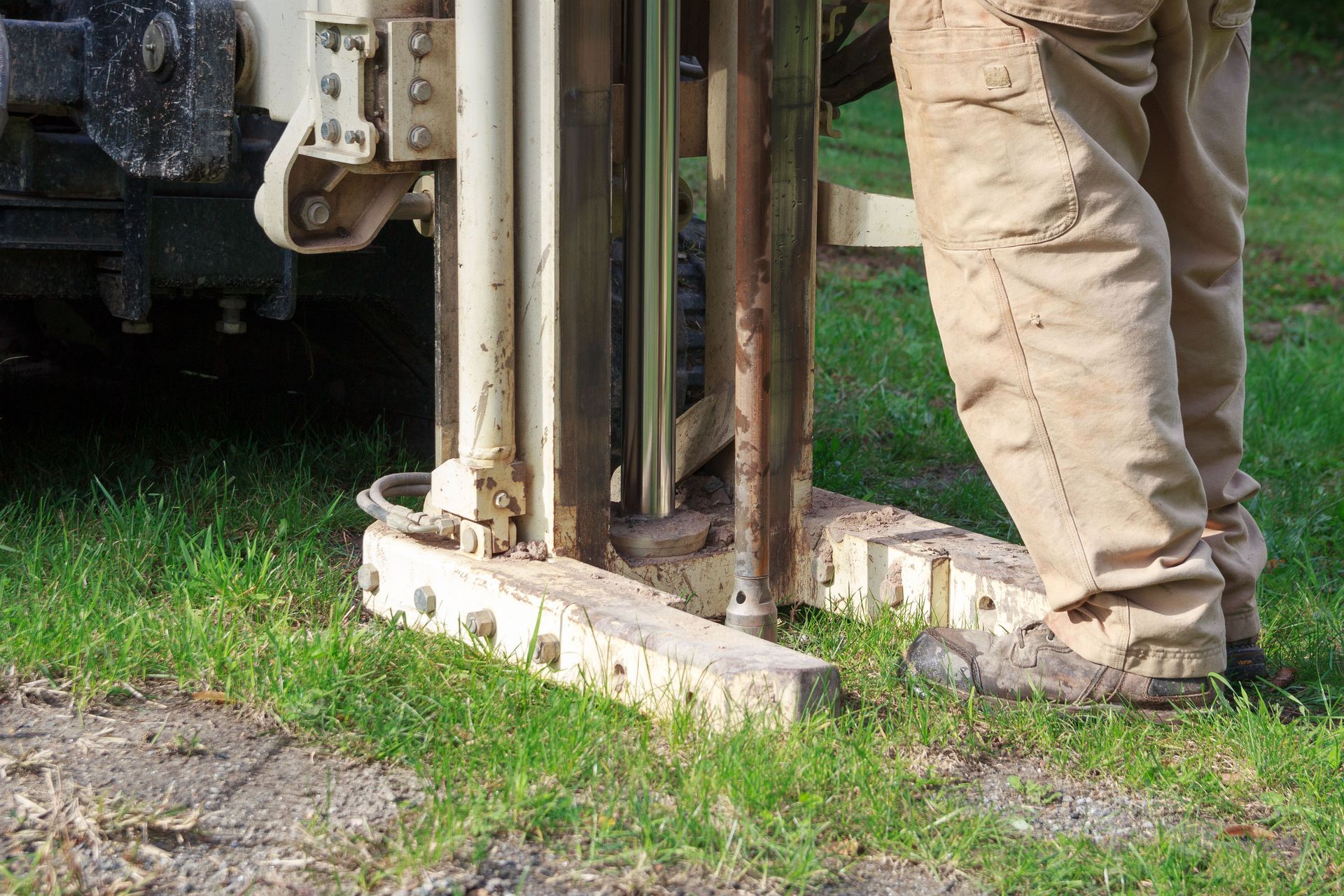
Drilling operations require precision, skill, and careful management to succeed. Preparing the site involves clearing vegetation, leveling land, and establishing access routes for machinery. The actual drilling process must be tailored to the site’s geological conditions, ensuring efficiency and minimizing risks. Drilling fluids are often used to cool equipment, carry debris to the surface, and stabilize well walls. Monitoring these fluids and other operational parameters in real time ensures consistent performance and prevents complications.
A local well driller plays a vital role in managing operations, adapting techniques as needed, and addressing unforeseen challenges. Equipment malfunctions, changes in subsurface conditions, or environmental concerns may arise, and having experienced oversight helps resolve these issues quickly. By carefully managing each phase of drilling, stakeholders can achieve a safe, efficient, and structurally sound well. Effective communication among the project team is also essential, allowing swift decisions when unexpected conditions occur.
Developing and Testing the Well
Once drilling is complete, proper development and testing ensure functionality and water quality. This stage includes casing, sealing, pump installation, water quality analysis, and flow rate assessment. Following standardized testing procedures verifies that the well meets performance criteria and provides a consistent water supply.
A local well driller can guide these evaluations, recommending adjustments to optimize performance and sustainability. Testing also establishes benchmarks for future monitoring and maintenance, ensuring that water remains safe and accessible over time. Thorough development and testing reduce the likelihood of early-stage problems and build confidence in the well’s long-term reliability. Additionally, testing offers insights into water chemistry and mineral content, which can inform future maintenance practices or necessary water treatment strategies.
Protecting Environmental and Social Resources
Water wells do not exist in isolation—they interact with ecosystems and communities. Sustainable extraction practices protect aquifers from overuse, while careful planning reduces disturbance to local wildlife and habitats. Engaging communities fosters understanding of water conservation and encourages responsible usage, ensuring the resource is respected and preserved.
Conflict resolution and clear communication are essential. Stakeholders may have differing expectations or concerns, and proactively addressing these promotes harmony and project acceptance. A local well driller who prioritizes both environmental stewardship and social responsibility ensures that the project aligns with ethical and sustainable practices. Integrating long-term conservation strategies, such as setting extraction limits and monitoring seasonal water availability, enhances both ecological and social outcomes.
Monitoring and Maintaining the Well
Long-term monitoring and maintenance are crucial to sustaining the well’s performance. Regular inspections, water quality tests, and equipment upkeep prevent contamination and mechanical failures. Establishing a maintenance schedule enhances the well’s longevity, ensures consistent water flow, and safeguards community reliance.
A reliable local well driller can advise on best practices for ongoing monitoring, troubleshoot issues, and recommend preventive measures. By staying proactive, stakeholders can ensure the well remains a dependable water source for years to come. Proper recordkeeping and scheduled maintenance also allow for timely interventions, which can prevent costly repairs or water supply disruptions in the future.
Drilling a water well is a multifaceted process requiring careful attention at every stage—from selecting and assessing a site to planning, drilling, developing, protecting resources, and maintaining the well. Partnering with an experienced local well driller simplifies these steps, ensuring safety, efficiency, and sustainability. For professional guidance and reliable support in your water well project, contact DMB Drilling Co Inc today and secure a trustworthy, long-lasting water source for your community.